Song Meaning
This dream paints a desolate, frozen world where spring, and by extension, hope and love, are absent. The narrator is trapped in a perpetual, suffocating winter, with snow filling the "earthly sphere" and a blizzard screaming outside the window. The houses are dark, and even the concept of spring is declared impossible by the "haze" or "darkness" (мгла), which insists that love itself must be killed. This creates an immediate sense of loss and existential dread, amplified by the repetition of "I had a dream."
The central tension lies in the stark contrast between the dream's bleak reality and the narrator's desperate yearning for spring, which is intrinsically linked to a loved one. The question "But where is spring?" echoes with disbelief and anguish, as spring is not just an external season but an internal feeling residing "in you" and "ringing in me." The dream's cruel decree that love must die is the ultimate betrayal, making the narrator vow, "I won't forgive such a dream." This internal spring is what the narrator desperately seeks to reclaim, both within themselves and in reality.
The lyrics masterfully use the imagery of relentless winter to represent emotional desolation and the suppression of love. The recurring motif of "snow" and the "blizzard" (метель, пурга) isn't just atmospheric; it actively "screams" and "knocks," personifying the oppressive force that seeks to extinguish warmth and connection. The declaration that "haze said that spring cannot be!" is particularly striking, suggesting an external, almost supernatural, force actively working against the possibility of renewal and love. The repetition of "I love you and seek you in reality" in the outro transforms the dream's despair into a determined, albeit painful, pursuit.
What makes these lyrics so effective is their visceral portrayal of emotional winter as a tangible, suffocating force. The dream isn't just a bad omen; it's an assault on the very essence of love and hope. By grounding the abstract concept of spring in the presence of a loved one and the internal feeling of love, the lyrics make the loss feel deeply personal and urgent. The narrator's refusal to forgive the dream, coupled with their persistent search for the loved one in reality, transforms a nightmare into a powerful declaration of enduring love against overwhelming despair.
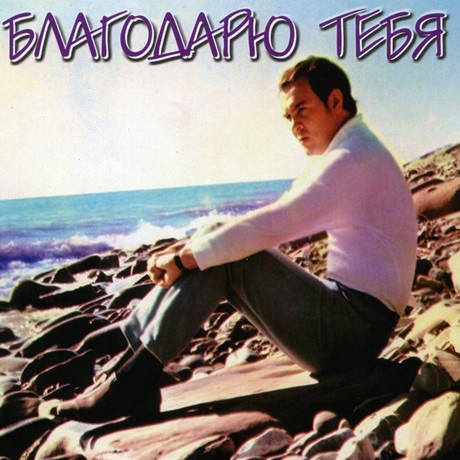
 View Artist