Song Meaning
The lyrics paint a stark picture of internal struggle, opening with a barrage of questions directed inward: "Can you hear yourself?" "Can you fix yourself?" This self-interrogation quickly spirals into a more aggressive, almost self-destructive internal dialogue, blurring the lines between self-help and self-harm with phrases like "fuck yourself." The dominant emotional tone is one of frustration and a desperate, yet seemingly futile, attempt at control.
The central tension lies in the cyclical nature of attempted self-improvement versus the ingrained habit of self-medication. The repeated questions in Verse 1 and 2 about fixing, filling, and trusting oneself are directly contrasted with the chorus's command to "medicate yourself" and "separate yourself." This suggests a deep-seated inability or unwillingness to confront internal issues, opting instead for a numbing escape. The phrase "you'll never change yourself" acts as a grim, almost fatalistic refrain, underscoring the perceived permanence of this self-destructive pattern.
The most striking aspect of the craft is the relentless, almost hypnotic repetition of "medicate yourself" and "separate yourself." This linguistic loop mirrors the feeling of being trapped in a cycle. The pre-chorus phrases "Cloud your vision" and "Indecision" further emphasize the mental fog and paralysis that prevent genuine change. The breakdown's repeated plea, "Can you fill this something deep inside?" highlights the void that the narrator is trying, and failing, to address through these external coping mechanisms.
Ultimately, the power of these lyrics comes from their unflinching portrayal of this internal battle. The direct, almost accusatory tone, combined with the stark imagery of self-medication and separation, creates a palpable sense of despair. It’s effective because it captures that feeling of being stuck, where the very act of trying to feel better only reinforces the problem, leaving the listener with a chilling sense of unresolved internal conflict.
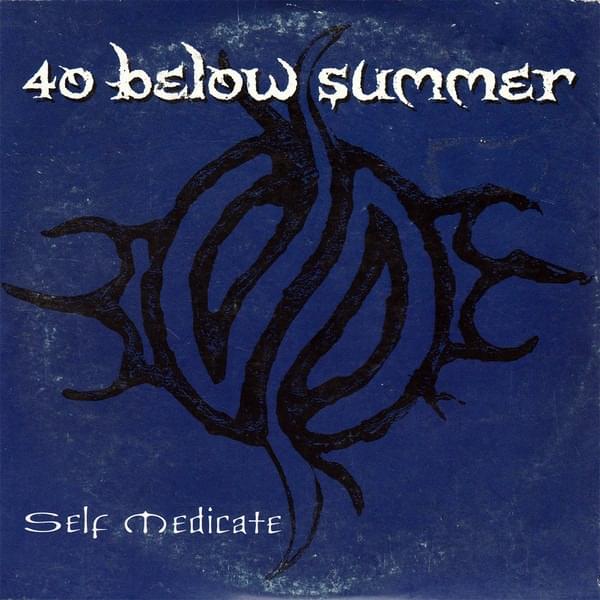
 View Artist