Song Meaning
The narrator paints a stark picture of a difficult, uphill battle. The "long road ahead" is fraught with "tripping hazards" and "traps," suggesting constant obstacles designed to hinder progress. This journey is not about reaching a specific destination, but about the sheer act of moving forward against a tide of negativity and deceit. The repeated emphasis on "avoiding" these pitfalls highlights a defensive posture, a constant vigilance required simply to maintain one's footing.
The core tension lies between the overwhelming external forces of "deceit, betrayal, conspiracies, disloyalty, lies, ingratitude" and the narrator's internal resolve. These negative elements are presented as relentless, occurring "again and again." Yet, the narrator's response is not despair, but a determined declaration: "I'm here to survive." This isn't a plea for comfort or success, but a fundamental demand for peace and the right to exist unmolested.
The most striking aspect is the stark simplicity of the goal: "survive." It's a primal need stripped bare, devoid of ambition for more than just enduring. The repeated phrase "I don't ask for anything else" underscores this, framing survival not as a stepping stone, but as the ultimate, self-sufficient objective. The lyrics suggest that in a world rife with betrayal, simply maintaining one's integrity and existence is a profound act of defiance.
This raw focus on survival, coupled with the unwavering commitment to selfhood – "I try to be myself" – makes the lyrics resonate. The power comes from the contrast between the oppressive external circumstances and the unyielding internal spirit. The narrator’s repeated rising after falling, "And I get up again," solidifies this as a testament to resilience, where the fight is not over and survival is the only, yet sufficient, victory.
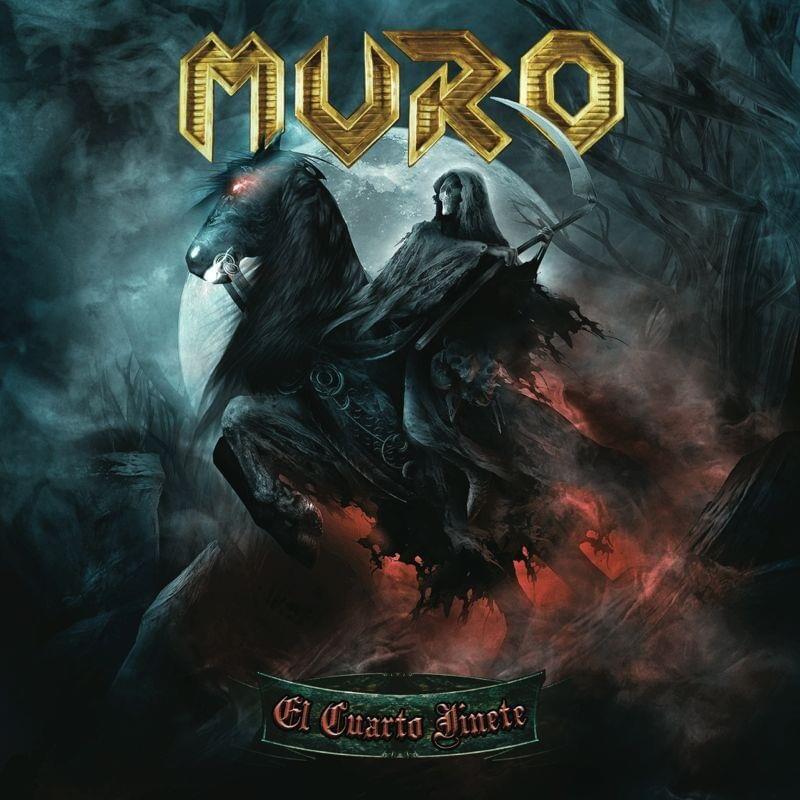
 View Artist