Song Meaning
The lyrics present a stark confession of artistic creation as a form of self-concealment. The narrator admits that vivid imagery of "women in their dances and wildness" and a "god / Fragmented, exiled" were not objective observations but carefully constructed "mask[s]." These elaborate poetic devices served to obscure a profound personal fragmentation and an inability to articulate inner turmoil, a state of being "split open, unable to speak, in exile from myself."
The core tension emerges from the contrast between the fabricated external world of the poem and the raw, painful reality it was meant to hide. The narrator explicitly states, "There is no mountain, there is no god, there is memory." This memory is of a "torn life," a self "split open in sleep," and a vulnerable past involving "doctors" and a "rescued child." The poem's grand narratives were a deflection from this deeply personal, fractured experience.
The most striking craft element is the direct, almost brutal, renunciation of poetic artifice: "No more masks! No more mythologies!" This declaration signals a pivotal shift. The narrator moves from using myth and grand imagery as a shield to embracing a more authentic, albeit difficult, self-understanding. The final lines suggest a potential for integration, where "the god lifts his hand" and "fragments join in me with their own music," implying a healing process where the self, no longer masked, begins to find its own coherent voice.
This lyrical honesty is what makes the piece resonate. By revealing the hidden anxieties and the deliberate construction behind seemingly powerful imagery, the narrator invites a deeper contemplation of how art can both express and conceal. The ultimate catharsis comes not from more elaborate poetry, but from the dismantling of the old and the tentative embrace of a self that is finally ready to speak its own fragmented, yet potentially whole, truth.
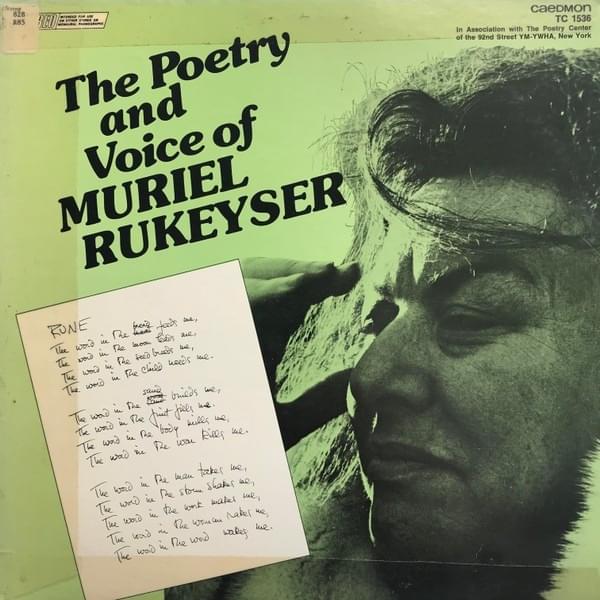
 View Artist