Song Meaning
The lyrics paint a picture of someone embracing a destructive, chaotic persona in response to a perceived demand for it. The opening lines establish a direct address, with the speaker seemingly accepting a role as the embodiment of the listener's desires for "violence," "murder," and "chaos." This isn't a reluctant acceptance; it's a defiant claim of identity, "Well, I'm your motherfucker," signaling a complete immersion in this dark role.
The narrator then articulates this persona through visceral imagery and a rejection of societal norms. They sing "a song for the dead" and describe themselves as a "ticking time bomb ready to blow," suggesting an imminent, explosive force. The act of giving "bloody noses" and a "middle finger to the status quo" reinforces a commitment to disruption and defiance. The idea of putting "faith in a bullet" and not needing luck when you "don't give a fuck" underscores a nihilistic embrace of destruction as the ultimate expression of agency.
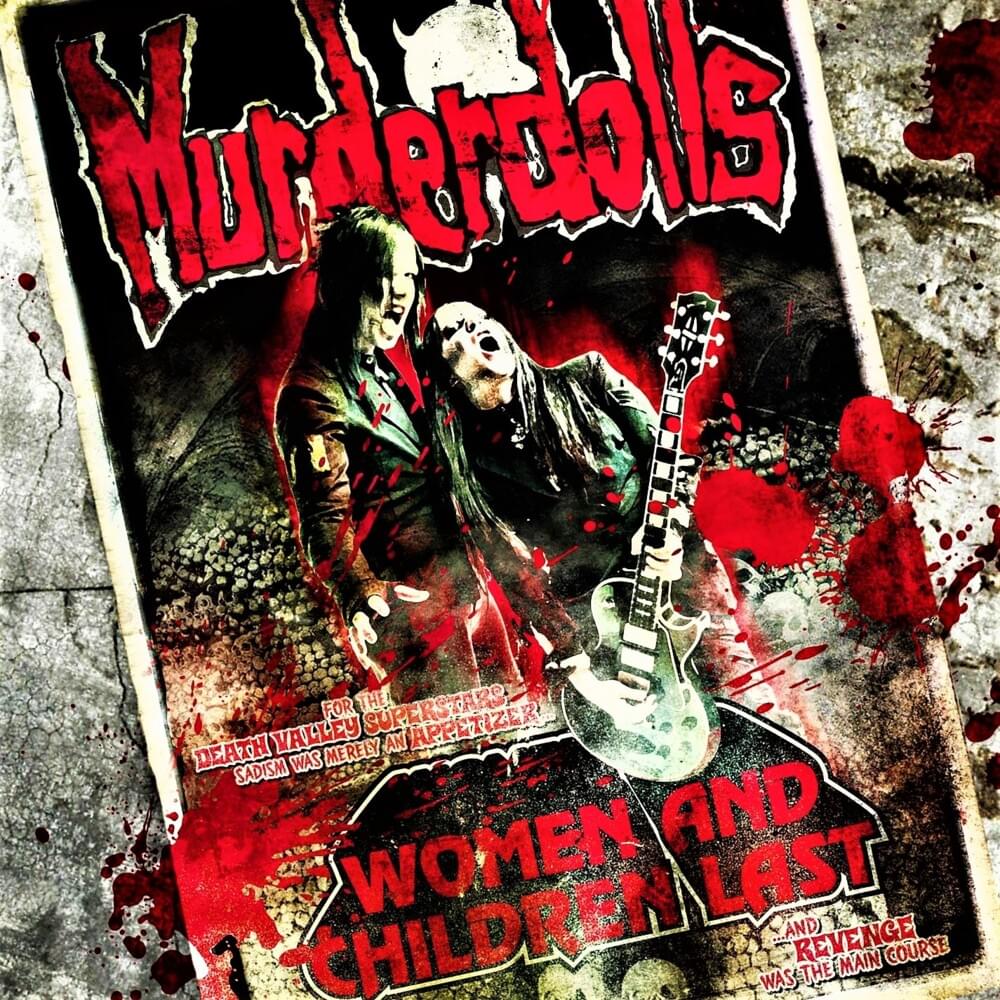
The most striking aspect is the transformation of this destructive impulse into a form of perverse stardom. The repeated demand for "destruction," "dirty and vulgar," and "death" culminates in the declaration, "We're the motherfuckers / Of the apocalypse / The Death Valley superstars." This elevates the destructive act from mere rebellion to a grand, almost mythical status, framing the perpetrators as icons of ultimate decay and societal collapse. The contrast between the raw, vulgar language and the almost glamorous title of "superstars" creates a chilling effect, suggesting that in this world, destruction itself has become the ultimate performance.
This lyrical construction is effective because it taps into a raw, anti-establishment energy and channels it into a specific, almost theatrical identity. The direct address and the unapologetic embrace of vulgarity create an immediate, confrontational impact. By framing this destructive force as "superstars," the lyrics suggest a cultural moment where chaos and nihilism are not just accepted but celebrated, offering a dark commentary on the allure of extremity.
 View Artist