Song Meaning
The lyrics paint a picture of someone who has been patiently waiting, believing their love will eventually be recognized. The narrator asserts that the other person will learn to love them, even if they can't forget their past. There's a strong sense of impending realization, a moment when the other person will finally 'hear my voice' and feel 'my heart beating for you.' This anticipation sets up the core tension: the narrator's certainty versus the other person's current obliviousness.
The central conflict emerges from the narrator's declaration that the other person will eventually regret the time wasted. The phrase 'boşa oyaladığın zamana beni' (you wasted my time by delaying) suggests a period of uncertainty or unrequited affection. The narrator seems to be saying, 'You'll be sad when you realize you've been holding me back from you, and I've been loving you unconditionally all along.' This creates a dramatic irony, as the narrator foresees a future regret for the other person that stems from their own present actions or inactions.
The most striking aspect of the craft is the repeated, almost prophetic, refrain: 'Üzüleceksin işte o zaman' (You will be sad then). This isn't just a prediction; it's a statement of fact delivered with unwavering confidence. The repetition hammers home the inevitability of this future sadness for the other person. The phrase 'Görmeye yeni yeni başladın / Anlatınca ben kendimi' (You're only just starting to see / When I explain myself) highlights the moment of awakening, implying that understanding the narrator's true feelings is a recent development, and the sadness will follow this dawning awareness.
What makes these lyrics resonate is the raw, almost defiant, conviction of the narrator. They aren't pleading; they are stating a future outcome. The power lies in the certainty that love, when finally understood, will bring regret for lost time. The narrator's unwavering belief in their own love and the other person's eventual sorrow creates a compelling emotional arc, suggesting that true recognition often comes too late, leaving a lingering sense of what could have been.
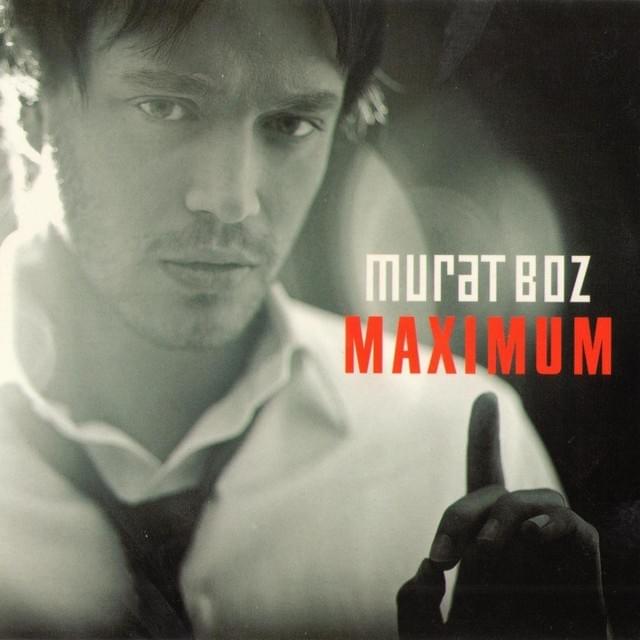
 View Artist