Song Meaning
This track paints a picture of immediate, overwhelming infatuation. The narrator is completely captivated, describing the object of their affection as divinely constructed – "Nur Götter oder Engel / Sind so wie du gebaut." This sets a tone of awe and intense desire from the outset. The plea for a dance and the admission "Ich lass mich gern verführen" highlight a willingness to be swept away by the other person's allure and "deiner Eleganz."
The core tension lies in the narrator's desperate yearning for reciprocation. They are already deeply smitten, confessing "Ich bin ja so verliebt" and experiencing physical reactions like "krieg ich Gänsehaut." The repeated desire to kiss and whisper sweet nothings "Die du so gerne hörst" shows a proactive pursuit, but the central request is a plea for the other person to "verlieb dich / Lieb mich im Mondschein." This suggests the narrator's feelings are currently one-sided, or at least they fear they might be.
The lyrics employ a simple yet effective metaphor of light and value to describe the progression of love. The narrator asks to be loved "im Mondschein," noting "Mondlicht ist Silber." This is immediately followed by the hopeful declaration, "Liebe wird Gold sein." This progression from the cool, ethereal glow of moonlight to the precious warmth of gold suggests a transformation from nascent attraction to deep, valuable love, a future the narrator desperately wishes to realize with this person.
What makes these lyrics hit so hard is their raw, unvarnished expression of being utterly smitten. The narrator isn't coy; they are openly enthralled and eager. The contrast between their intense internal experience – "brüllen vor Glück" – and the gentle, hopeful imagery of moonlight and gold creates a powerful emotional arc. It captures that dizzying moment when someone feels like they've found something precious, and all they want is for that feeling to be returned.
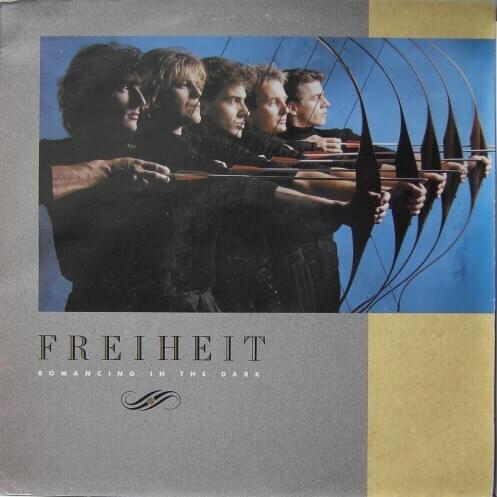
 View Artist