Song Meaning
The lyrics paint a picture of someone adrift, detached from the past and questioning their purpose. There's a sense of existential weariness, as the narrator states, "I don't regret anything from yesterday," and wonders, "Why do I live?" This detachment is mirrored in the imagery of days stretching into the distance and nights that don't touch their ground, suggesting a life lived in a state of suspended animation. The recurring question, "And who doesn't it happen to?" serves as a resigned acceptance of this dislocated existence.
The core tension arises from the narrator's attempt to deflect responsibility and blame external forces for their misfortunes. The chorus is a litany of scapegoats: "Blame the black cats / Blame the black chips / Blame the rain on Monday / When the cranes start to whistle." This is followed by a stark admission of the burden they carry: "Refusing friends and those who didn't give a ruble / I'll have to take it all on myself again." It's a cycle of wanting to blame others while ultimately being forced to shoulder the consequences alone.
A particularly striking craft element is the surreal, almost desperate imagery used to convey longing and isolation. In the third verse, the narrator describes sending "SOS in the bathtub" and their "lips in an international envelope / Sending to the UN, so you wouldn't get them." This bizarre, elaborate gesture highlights a profound need for connection or perhaps a cry for help, twisted into a passive-aggressive act directed at a specific 'you,' while still maintaining the refrain of shared human experience.
These lyrics resonate because they capture a specific kind of modern malaise: the feeling of being overwhelmed and the impulse to find external reasons for personal struggles. The contrast between the grand, almost absurd gestures of seeking help and the mundane reality of taking on burdens creates a poignant, darkly humorous portrait of someone grappling with their own agency. The writing effectively uses these specific, often strange, images to articulate a feeling of being both isolated and burdened, making the narrator's plight feel both unique and strangely familiar.
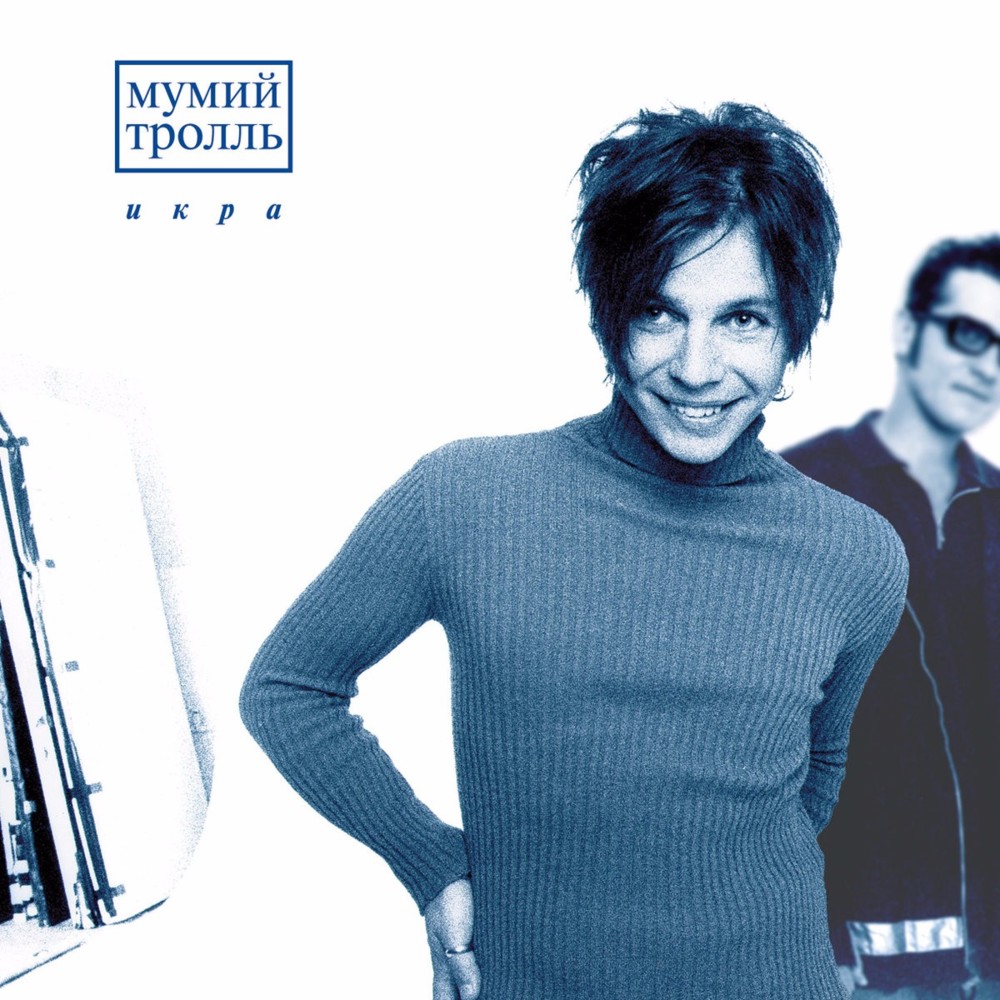
 View Artist