Song Meaning
The lyrics paint a stark picture of existential dread, where the narrator grapples with a sense of powerlessness and a desire to escape an oppressive reality. The opening lines suggest a desperate attempt at control through sheer effort, a futile endeavor against an unseen force. This is immediately undercut by a profound disengagement, a refusal to think or even 'be,' highlighting a deep-seated apathy born from perceived external manipulation. The narrator feels like a commodity, a 'new market ready to be plundered,' trapped in a cyclical existence where 'time is a punishment.'
The dominant emotional tension arises from the conflict between the desire for change and the crushing weight of perceived inevitability. The narrator searches for any 'sign that things might change,' even something as mundane as the 'weather' or 'rain,' indicating a desperate need for external validation or a break in the monotony. This yearning is juxtaposed with the unsettling realization that 'nothing bad will ever happen again' might be a grim acceptance rather than a hopeful outcome, a sentiment that paradoxically becomes 'not so crushing anymore.'
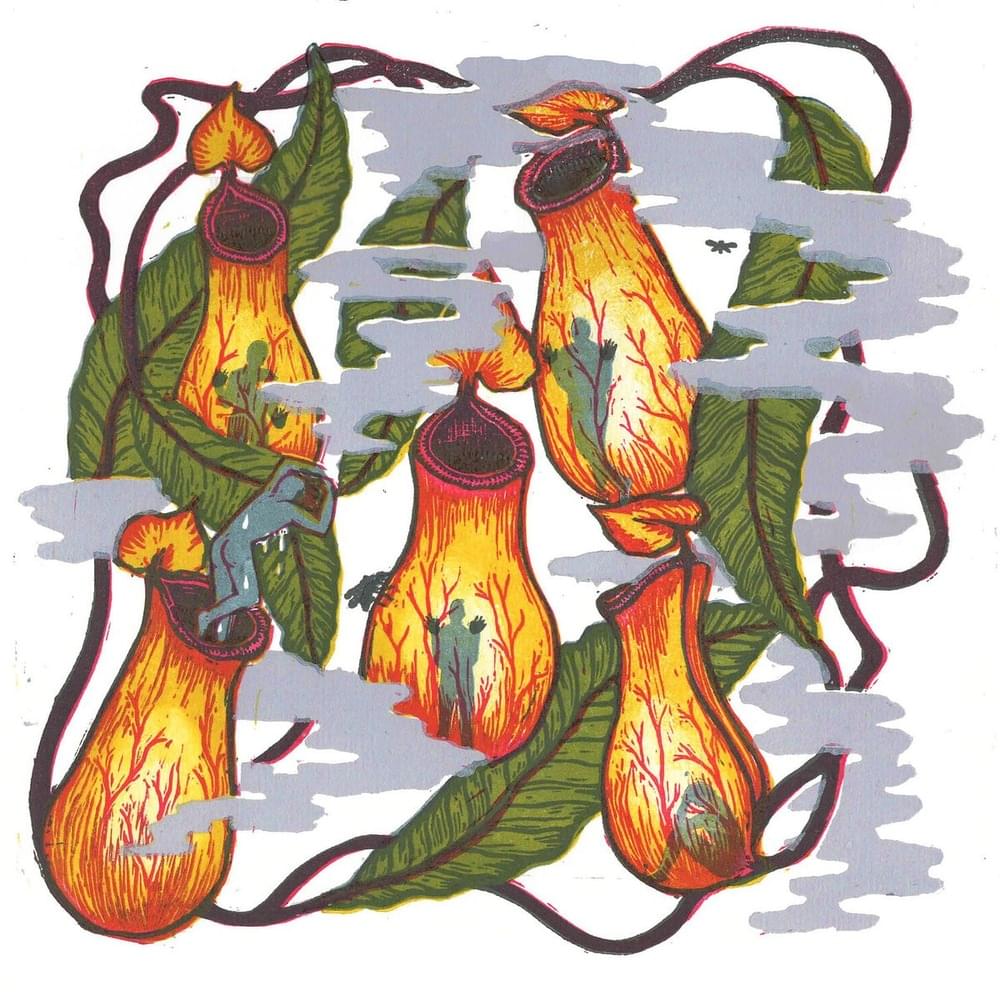
A striking element is the personification of abstract concepts like space and time, framing them as antagonistic forces. 'Space is an imposition' and 'time is a punishment' create a claustrophobic and inescapable environment. The phrase 'parallel hells' and the question about 'sentences never collide' powerfully convey a sense of isolation and the inability to connect or find shared suffering, even in the face of overwhelming negativity. The cryptic line about the 'word for world is forest' at 'the dawn of everything' adds a layer of primal, almost forgotten connection to nature that feels both alien and deeply significant.
Ultimately, the lyrics resonate because they articulate a specific kind of despair that feels both personal and universal. The shift from the initial bleakness to the final stanzas, where 'a winter is not an ending' and 'all will bloom again,' offers a fragile, almost reluctant hope. This hope isn't born from a sudden change in circumstances but from a quiet act of 'patience with the garden,' suggesting that even in the face of overwhelming 'violence and stupidity,' a slow, natural process of renewal is possible, a belief that seeds 'will grow in time.'
 View Artist