Song Meaning
The lyrics open with a stark image of an unopened door, immediately establishing a sense of stagnation and missed opportunity. The narrator questions why it would ever open, given the lack of effort, and then invokes the chilling phrase "Exterminating angel," suggesting a force that prevents progress or perhaps a self-imposed doom. This sets a tone of passive resignation, underscored by the paradoxical "black hole of beauty" – a void that is somehow captivating.
The core tension emerges in the repeated refrain: "In a world of complete make-believe / There's a chance to practice what we preach." This creates a dissonance between the perceived unreality of the world and the potential for genuine action or integrity within it. It hints at a desire for authenticity, yet the context of "make-believe" casts doubt on whether such practice is truly possible or meaningful.
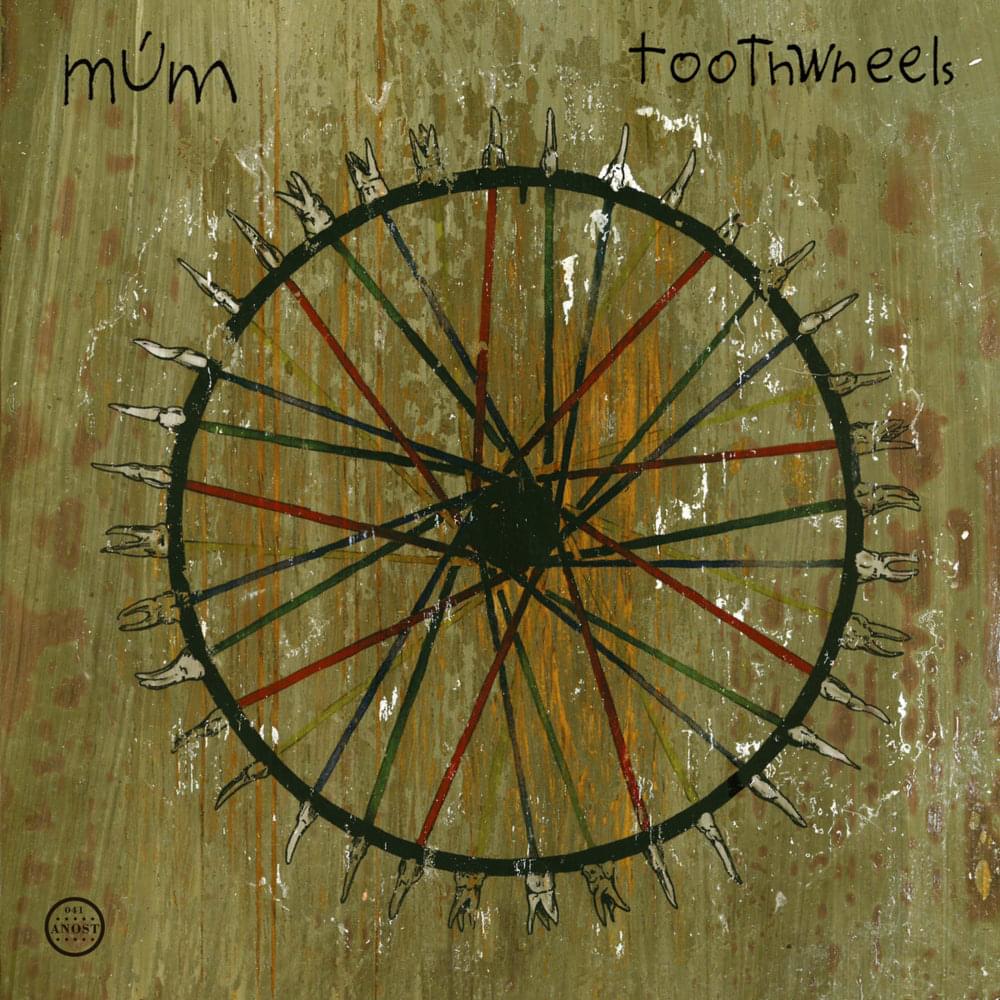
The most striking shift occurs with the lines "Throw the hammer / Burn the gasoline." These are violent, destructive actions, a stark contrast to the earlier passivity. This surge of energy is immediately followed by the declaration, "We're all toothwheels / In the death machine." This powerful metaphor frames individuals not as agents of change, but as interchangeable, functional parts within a larger, destructive system. The "make-believe" world is revealed as a "death machine," and the potential to "practice what we preach" is reduced to mere cogs turning towards oblivion.
This lyrical construction is effective because it moves from a quiet, almost philosophical despair to a visceral, mechanical dread. The contrast between the potential for action and the reality of being a mere "toothwheel" highlights a profound sense of powerlessness. The lyrics suggest that even in a world that feels unreal, the ultimate outcome is a grim, predetermined function within a system that leads only to destruction, leaving the listener with a chilling sense of inescapable fate.
 View Artist