Song Meaning
The lyrics paint a picture of a world that feels both immense and unsettlingly still. The earth's movement is juxtaposed with the sun's apparent stillness, while bathwater tides suggest a contained, domestic chaos. A bird striking a windowpane with a "joyless sound" immediately establishes a tone of unexpected, sharp pain that lingers, echoing the pervasive sense of unease.
The central tension seems to revolve around shared grief and a profound sense of loss. The "spores" in the belly, picked from "forest floors," hint at something internal, perhaps a shared experience or a lingering consequence of the past. This is directly contrasted with the offer of comfort: "if you must cry with grief, blow your nose right on my sleeve." It’s a raw, unvarnished offer of solace, accepting the messiness of sorrow.
The repeated image of "spores" in both the belly and the bathtub is striking, suggesting that the source of this internal unease is both deeply personal and inescapable, even in intimate spaces. The phrase "Ghosts sing behind your ear for the one you loved / Who's never coming back" is a stark, direct articulation of permanent absence. The simple, almost mundane act of blowing one's nose becomes a potent symbol of enduring this profound, unending grief together.
This writing is effective because it grounds cosmic observations in visceral, bodily actions. The grand scale of the earth moving is immediately undercut by the intimate, almost crude offer to wipe tears on a sleeve. The repetition of this offer, "blow your nose right on my sleeve," transforms a simple gesture into an anchor of shared endurance against the quiet, persistent pain of irreversible loss.
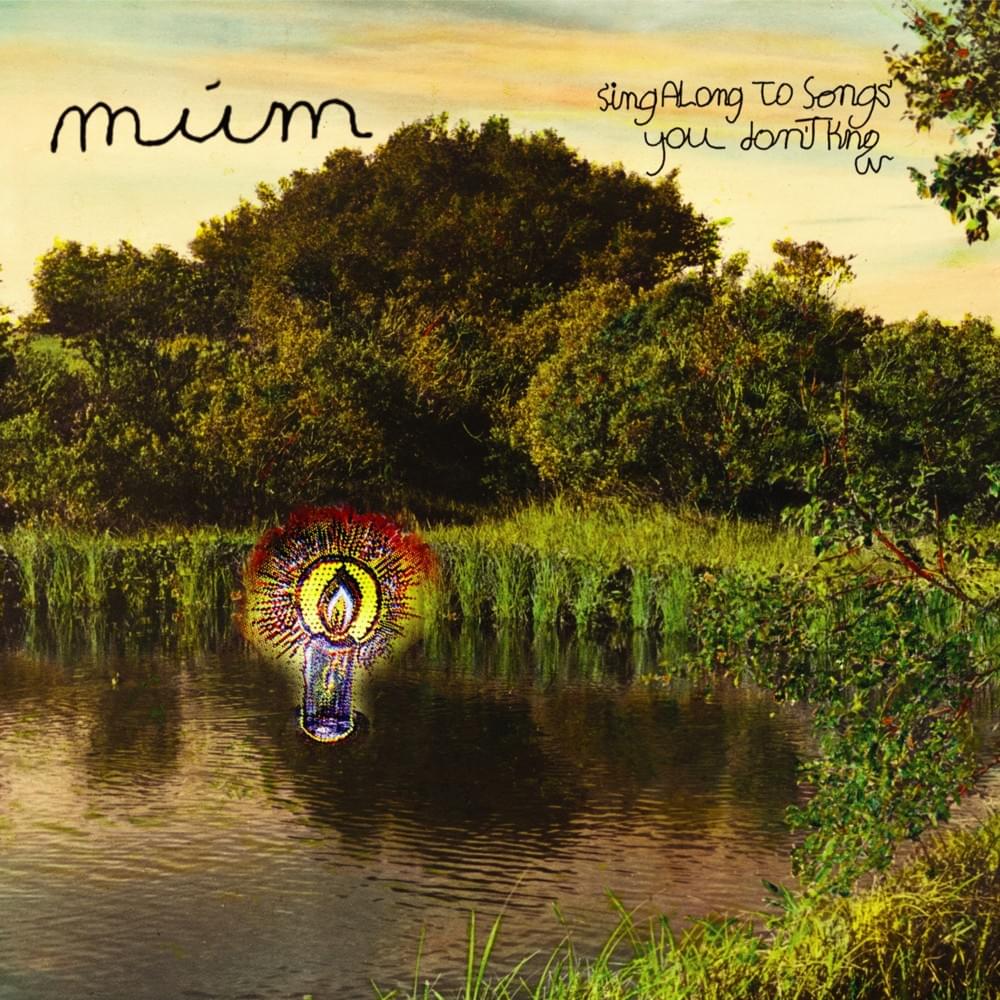
 View Artist