Song Meaning
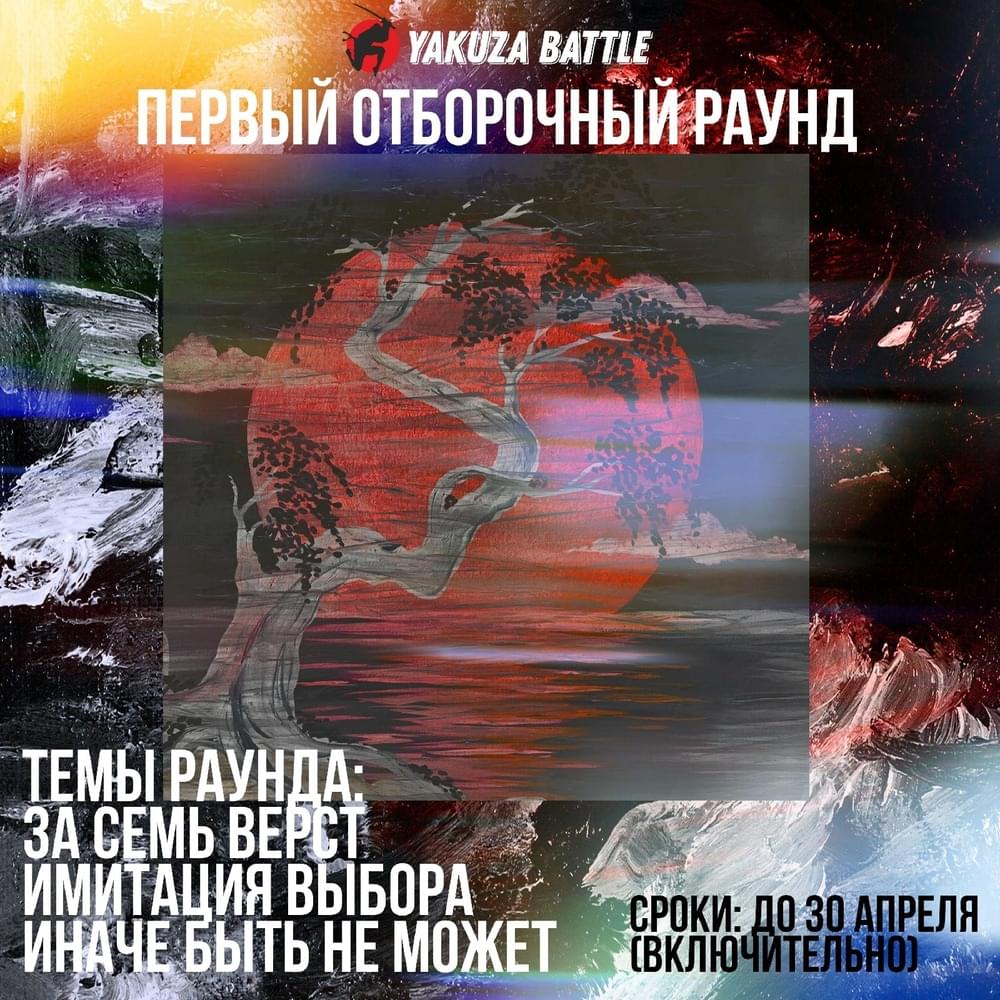
The narrator feels trapped in a predetermined existence, asserting that their choices are not their own but part of a manufactured reality. This sense of "imitation of choice" is deeply unsettling, creating an internal "sprout of misunderstanding" and the feeling of being robbed of their very soul. The dominant tone is one of profound disillusionment and a desperate, yet seemingly futile, search for authenticity in a world that feels fundamentally fake.
The core conflict arises from the stark contrast between the illusion of freedom and the crushing weight of a scripted life. The lyrics paint a picture of people who "sacrifice their hearts" and undergo "trials" daily, constantly "updating their consciousness," yet remain terrified of losing their identity. This internal struggle highlights a collective delusion, where individuals actively participate in their own confinement, perhaps out of fear or a lack of awareness.
The writing powerfully uses contrasting imagery to underscore this theme. We see souls that are "torn" but don't want to know, individuals who are "so lonely" yet hide in "social media," and people reaching for "stars" without understanding their own lack of agency. The repeated idea that "everything is imitation and follows the script" hammers home the narrator's bleak outlook on human existence, suggesting a widespread, unacknowledged captivity.
This piece resonates because it articulates a pervasive modern anxiety: the feeling of being controlled by unseen forces or societal pressures, even while believing we are making independent decisions. The stark, almost clinical descriptions of emotional and spiritual desolation, coupled with the imagery of "taking a pill" or a "smile for an hour," capture a profound sense of existential dread. The final lines, "Death is not easy, but no one pities them," leave a lingering, chilling impression of a world where even genuine suffering goes unnoticed amidst the pervasive artificiality.
 View Artist