Song Meaning
Muddy Waters' "Walkin' Blues" isn't just a song; it's a primal scream distilled into three verses. The blues, in their purest form, are rarely about literal travel, and this track is no exception. "Walkin' Blues" is a state of mind, a psychic exile triggered by heartbreak and a life lived on the margins. The opening lines, a groggy search for shoes, immediately place us in a space of disorientation and displacement. The shoes aren't just footwear; they are a symbol of the journey, the inescapable forward motion demanded by the 'walkin' blues.'
The second verse plunges deeper into the psychic landscape. Riding 'the blinds' – stowing away on a train – isn't just about hopping freight cars; it's about embracing a life outside societal norms, a refusal to be contained. The line 'I've been mistreated, don't mind dying' isn't a literal death wish, but a surrender to the crushing weight of emotional pain. It suggests a profound sense of alienation, a feeling of having nothing left to lose. The willingness to die underscores the intensity of the 'mistreatment,' painting a picture of deep-seated emotional wounds. Muddy Waters isn't just singing; he's channeling a visceral sense of despair.
The final verse lands the emotional blow. The dismissive platitude 'walkin' blues ain't bad' highlights the disconnect between the sufferer and those offering empty comfort. Waters' response, 'Worst old feeling I most ever had,' is a defiant assertion of his pain. The repetition throughout the song isn't just a blues convention; it's a form of emotional amplification, each repetition driving the knife in a little deeper. "Walkin' Blues" isn't about the romance of the road; it's about the crushing weight of emotional exile, a journey without a destination, fueled by pain and a desperate need for release. The song meaning resides in this raw, unfiltered expression of suffering.
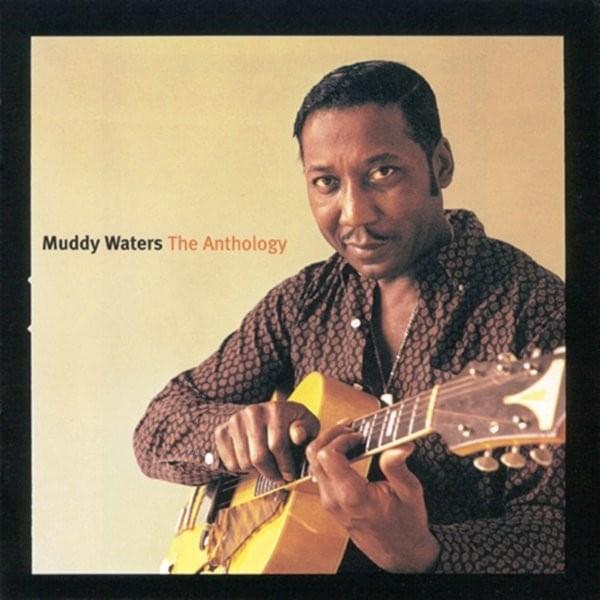
 View Artist