Song Meaning
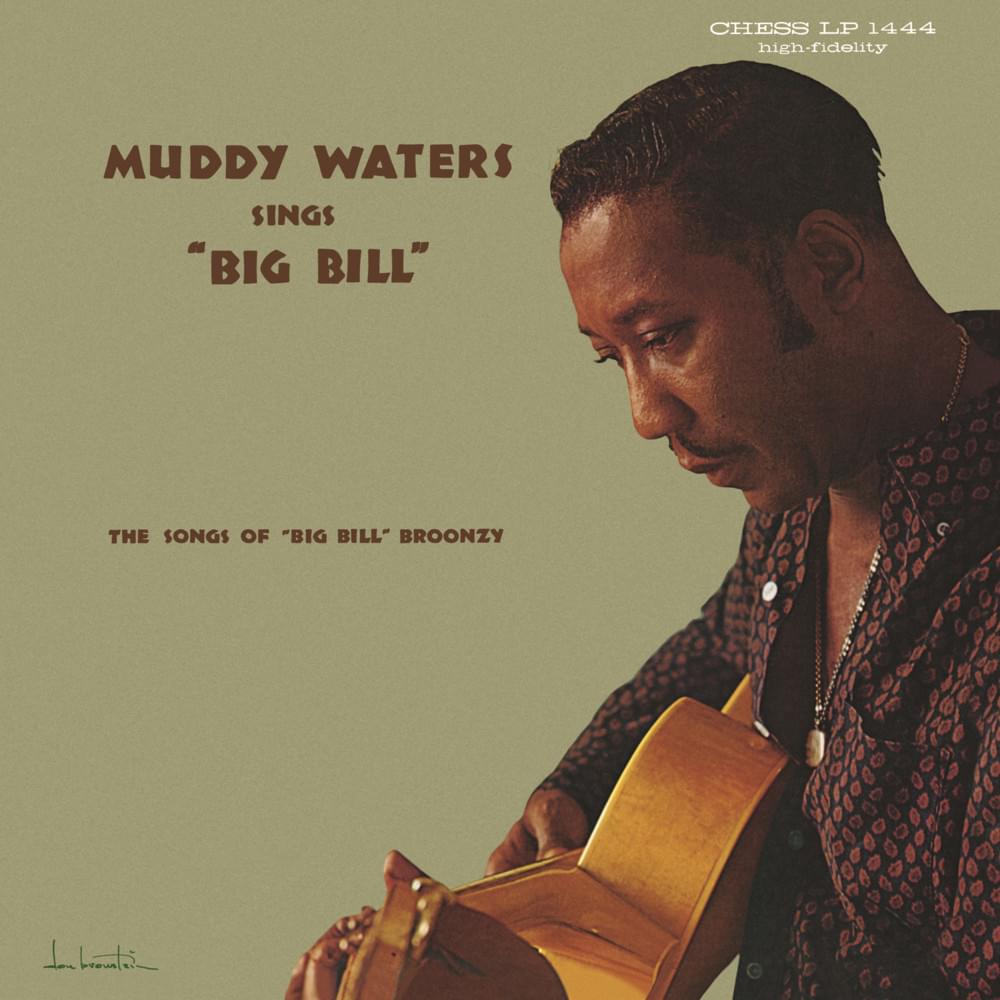
{"song_id": 11681903, "meaning": "Muddy Waters's \"Hey, Hey\" is less a song and more a primal assertion of self-respect couched in the language of the blues. The repetition of \"Hey, hey\" isn't just a catchy hook; it's a verbal pushback, a sonic boundary being drawn in real-time. In just a few lines, Waters encapsulates the push and pull of a relationship teetering on the edge of exploitation. The simple declaration, \"Love you, baby, but I ain't gonna be your dog,\" isn't subtle, but its directness is the point. It's a refusal to be subservient, a rejection of the power imbalance that often defines romantic entanglements. This isn't just about love; it's about dignity. Waters understood the blues as a vehicle for expressing the rawest human emotions, and here, that emotion is a fierce independence. The lyrics analysis reveals a man aware of his value and unwilling to compromise it.
The subsequent verses reinforce this theme. The plea for affection, \"Put your arm around me, all I can say is hey,\" is tinged with a guarded vulnerability. He desires connection, but not at the cost of his autonomy. There's a subtle negotiation happening, a testing of the waters (no pun intended). The line \"Hey baby, lost your good thing now / Thought you had me fooled, but I found it somehow\" suggests a previous attempt at manipulation, a realization of being taken for granted. This isn't a naive lament; it's a statement of newfound awareness and resolve. The blues, at its core, is about resilience, about finding strength in the face of adversity.
Ultimately, \"Hey, Hey\" is a masterclass in minimalist expression. Waters uses repetition and simple language to convey a complex emotional landscape. The song meaning resides not just in the words themselves, but in the spaces between them, in the unspoken understanding of the power dynamics at play. It's a reminder that love and respect must coexist, and that true connection requires a mutual recognition of worth. The \"Hey, hey\" refrain then becomes a mantra, a declaration of self-preservation in a world that often seeks to diminish individual agency. It's a blues anthem for anyone who's ever felt like they were losing themselves in a relationship."}
 View Artist