Song Meaning
Muddy Waters' "Gypsy Woman" isn't just a blues lament; it's a masterclass in folk psychology, wrapped in a cautionary tale. The song meaning hinges on the narrator's quest for insight, his vulnerability laid bare as he seeks guidance from the titular fortune teller. The gypsy woman's pronouncements aren't presented as supernatural prophecy, but rather a blunt assessment of character and consequence. She labels the woman in question a "bad-luck child," a damning indictment suggesting a pattern of destructive behavior, an almost karmic predisposition to chaos. This isn't about mystical curses; it's about recognizing toxic traits and anticipating their inevitable fallout. The "good time" she's having is fleeting, purchased at the expense of others, and destined to unravel.
The genius of Waters' delivery lies in the simmering tension between belief and skepticism. The narrator seeks the gypsy woman out, implying a willingness to accept her judgment, yet the confirmation of her prediction—finding another man in his bed—doesn't feel like vindication. Instead, it's a stark, painful realization. The keyhole becomes a symbol of both voyeurism and the inescapable truth, a glimpse into a reality he perhaps subconsciously knew all along. The lyrics analysis reveals a man wrestling with betrayal, not just on a personal level, but on a deeper, almost existential one. He's not simply heartbroken; he's confronted with the fragility of trust and the seductive allure of self-deception.
Ultimately, "Gypsy Woman" transcends the typical blues narrative of infidelity. It's a poignant exploration of human nature, the cyclical patterns of behavior, and the often-unheeded warnings we receive along the way. The gypsy woman serves as a conduit for harsh truths, forcing the narrator to confront the consequences of his choices and the inherent risks of loving someone with a "bad-luck" soul. The song’s power resides in its ability to tap into universal anxieties about love, betrayal, and the elusive search for control in a world often governed by fate – or, perhaps more accurately, by deeply ingrained behavioral patterns.
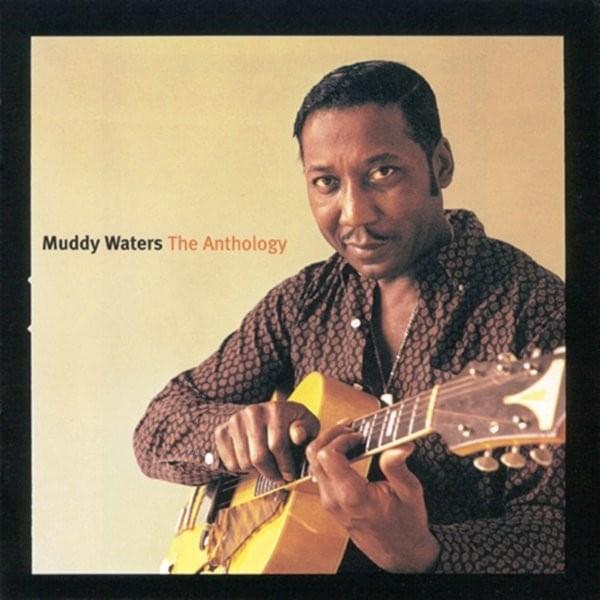
 View Artist