Song Meaning
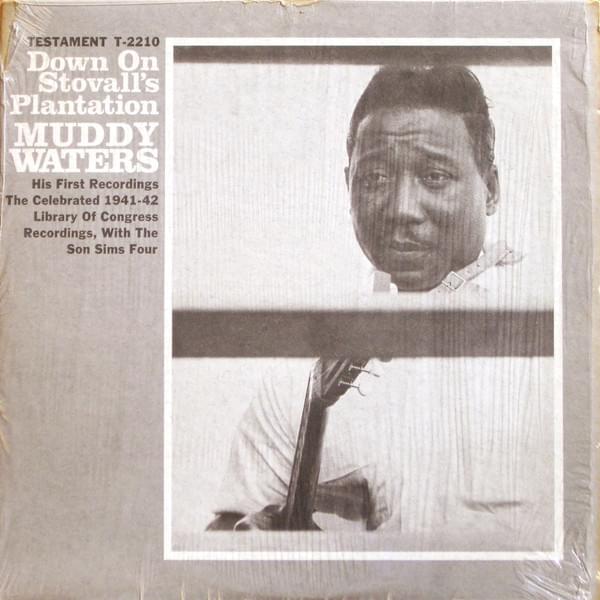
{"song_id": 11671459, "meaning": "Muddy Waters' \"DIVA DEL INFIERNO\" (though its title is Spanish, the lyrics are sung in English) presents a stark, unsentimental snapshot of life tied to the land. It’s not a romantic vision of rural existence, but a pragmatic declaration of economic survival. The opening lines establish a clear motivation: love for Stovall's farm stems directly from its financial security. There's no room for flowery language or idealized nostalgia; the farm is loved because it provides. This immediately cuts through any potential sentimentality, grounding the song in the realities of labor and livelihood. The phrase \"we never be raisin' hell\" is particularly telling, suggesting a life focused on productivity and stability, where disruptive behavior is a luxury they cannot afford. This isn't about suppressing joy, but about maintaining a precarious balance.
The subsequent lines reinforce this theme of agricultural productivity: \"We raise plenty cotton / And we are booked out with the corn.\" The phrase \"booked out\" hints at a system where their labor is already accounted for, possibly through contracts or debt. This adds a layer of complexity, suggesting that their economic security is not entirely their own. They are bound to the land and its demands, their efforts pre-allocated. This speaks to the historical context of sharecropping and tenant farming, where economic freedom was often an illusion. The line, \"Well, you know, we have to carry the place on\" further emphasizes the weight of responsibility and the continuous effort required to sustain their way of life.
Finally, the mention of \"the main boss been here and gone\" introduces a power dynamic. The boss's presence, even in passing, underscores the hierarchical structure of the farm and the workers' dependence on external authority. It suggests a system where decisions are made elsewhere, and the workers' agency is limited. The song, therefore, is not simply a celebration of rural life, but a nuanced portrayal of economic dependence, hard work, and the constant negotiation of power within a specific agricultural context. It offers a glimpse into a world where survival is intricately linked to the land, and where even love is tinged with the pragmatism of necessity. The title, despite being Spanish, adds a layer of intrigue - perhaps an ironic commentary on the seductive yet ultimately demanding nature of this agrarian existence, a devilishly difficult mistress."}
 View Artist