Song Meaning
Muddy Waters' "World Star" is a raw, blues-soaked lament, a stark portrayal of isolation and despair that cuts to the bone. The song's core isn't complex; it's the unflinching honesty in its simplicity that resonates. The opening lines, "No one cares about me / No, I am not even got a friend," immediately plunge the listener into the depths of the singer's loneliness. It's a primal scream of abandonment, amplified by the classic blues structure. The absence of companionship isn't just a passing feeling; it's a fundamental state of being. The repeated departure of "my baby" serves as the catalyst, but the underlying sense of being unmoored suggests a deeper, more pervasive void. The lyrics analysis reveals a man stripped bare, emotionally and socially. He ain't got nobody. It's a portrait of a man crushed by circumstance.
The recurring chorus, with its stark imagery of "Black night is falling," reinforces this suffocating sense of isolation. The darkness isn't just literal; it's a metaphor for the overwhelming depression that consumes him. The line "Oh, I hate to be alone" is a plaintive cry, a universal sentiment made all the more potent by Waters' delivery. The repetition of "crying for my baby" underscores the depth of his heartbreak, but it also hints at a potential codependency, a reliance on another person for validation and emotional stability. The song isn't just about romantic loss; it's about the loss of self. The phrase "Another day is gone" suggests a life slipping away, marked only by sorrow and regret.
What elevates "World Star" beyond a simple blues ballad is the subtle inclusion of familial troubles in the third verse. "Well my mother has her troubles / My father has them too / My brother sent to rehab / And I don't even know what to do" expands the scope of the singer's despair, revealing a broader pattern of dysfunction and hardship. He is not alone in his suffering, but surrounded by the troubles of his close family. This isn't just personal heartbreak; it's a systemic breakdown, a family grappling with its own demons. The singer's helplessness in the face of these challenges further underscores his sense of isolation and powerlessness. In this context, "World Star" becomes a poignant commentary on the cyclical nature of suffering, a blues standard elevated by its unflinching portrayal of human vulnerability.
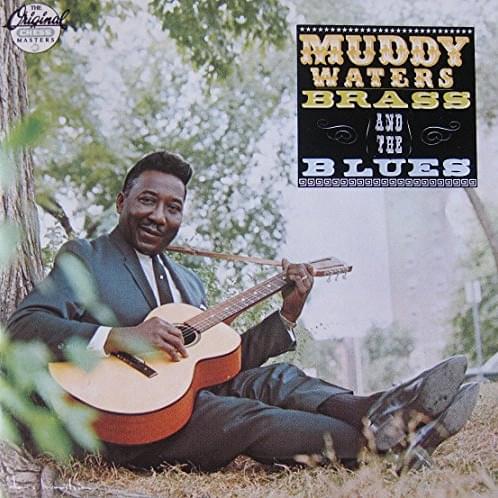
 View Artist