Song Meaning
The lyrics paint a picture of someone who has endured hardship and is now declaring their independence. The opening lines, "Won't be there when winter comes," suggest a departure from a difficult situation, a refusal to endure further suffering. The image of "over a fire in a can" evokes a sense of basic survival, a stark contrast to the biblical reference of David and Goliath, hinting at overcoming immense odds with seemingly little. This sets the stage for the central declaration: "And I ain't gon' be hungry no more."
The core emotional tension lies in the narrator's newfound self-sufficiency and defiance against past neglect. The line "This town broke my heart, and then just carried on" highlights a deep sense of betrayal and abandonment, yet the repetition of "Like nothin' happened at all" underscores the narrator's resilience. They are moving past the pain, refusing to let the town's indifference define their future state of being.
The most striking craft element is the powerful, almost defiant repetition of the chorus. It's not just a statement of relief, but a firm resolve. The bridge, "Nobody cry for me, ain't nothin' to it now / The world will turn somehow," solidifies this shift from victimhood to agency. It's a quiet, determined acceptance of fate, coupled with the certainty that their own survival is now assured, independent of external support or sympathy.
This song hits hard because it taps into a universal desire for self-reliance after experiencing profound disappointment. The simple, direct language and the unwavering repetition of the chorus create an anthem of personal liberation. It’s the sound of someone finally standing on their own two feet, no longer dependent on circumstances or the goodwill of others for their basic needs or emotional well-being.
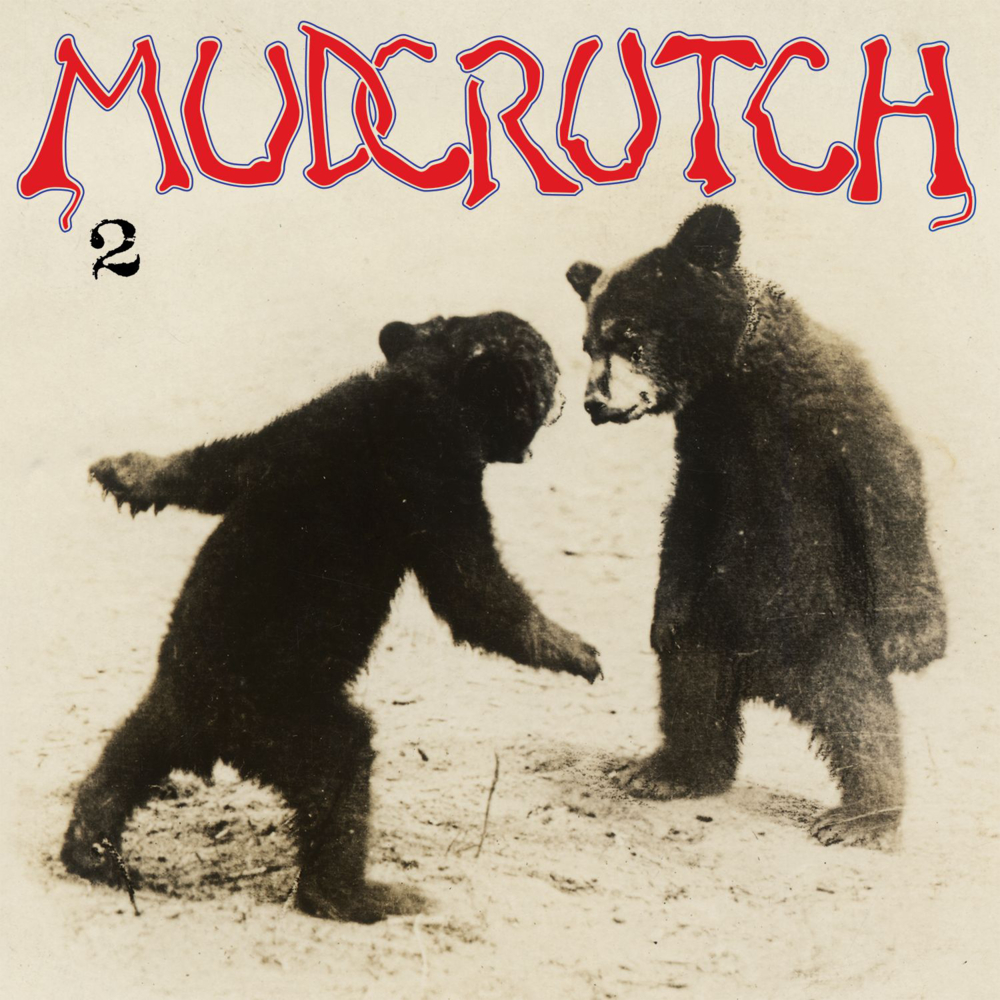
 View Artist