Song Meaning
The lyrics paint a picture of navigating personal hardship, symbolized by the recurring phrase "I've felt blue" and the Spanish "mundo azul." This isn't just a fleeting sadness; it's a persistent state the narrator is actively trying to avoid falling into, as they state, "No quiero caer debajo del azul." The immediate emotional texture is one of quiet resilience, a determination to persevere despite feeling alone and responsible for one's own well-being.
The central tension arises from the contrast between the narrator's internal struggle and the external, seemingly indifferent, natural world. While the narrator acknowledges their blue feelings and the burden of growing up fast, the lyrics offer a counterpoint: "Pero la luna seguirá saliendo" and "Las nubes pasarán." This suggests an enduring hope, a belief that difficult times are temporary and that a "bonito azul" (a beautiful blue) exists above the clouds, implying a brighter future or a state of peace.
The most striking craft element is the bilingualism and the repetition of "azul." It functions both as a direct translation of "blue" and as a broader, more evocative concept of melancholy or a difficult emotional space. The phrase "Voltea a la estrella al mundo azul" acts as an anchor, a call to acknowledge this difficult reality while simultaneously looking towards a distant, perhaps hopeful, light. The shift to English with "I'm forced to grow up fast" grounds the abstract "mundo azul" in a concrete, relatable experience of accelerated maturity.
Ultimately, these lyrics resonate because they articulate a universal human experience: facing adversity alone and finding the inner strength to cope. The writing effectively balances the acknowledgment of pain with an unwavering commitment to self-preservation and care for loved ones. The cyclical nature of the natural imagery, juxtaposed with the narrator's active resolve, creates a powerful message of enduring hope and personal agency in the face of overwhelming circumstances.
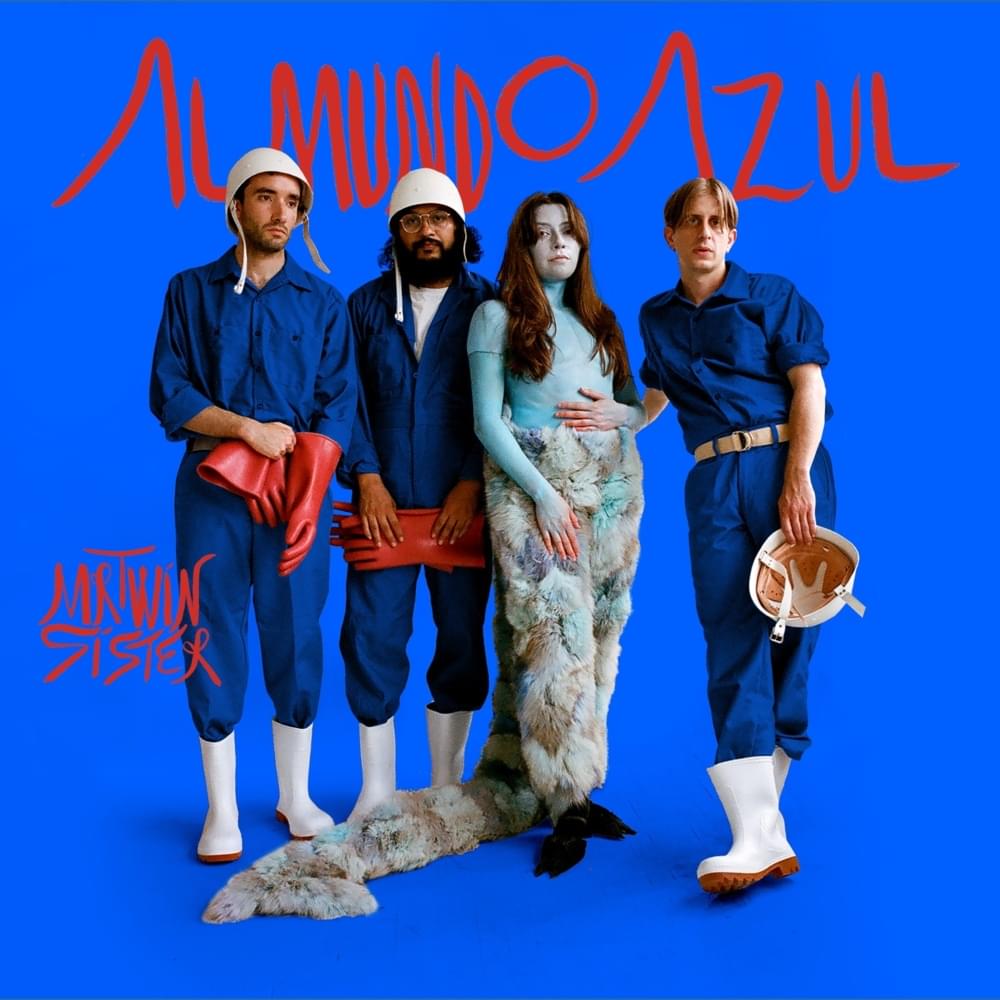
 View Artist