Song Meaning
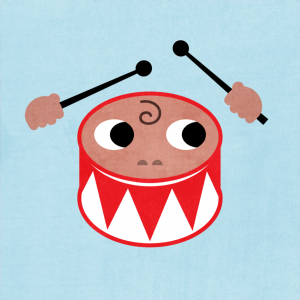
The lyrics paint a picture of eager anticipation for a reading session, personified by the "lêswommel" or "reading drum." The repeated "Rome, Bomb, Bomb" and "Kom, kom, Kom" create a percussive, almost playful rhythm, drawing the listener in. It feels like a call to gather, a rhythmic invitation to engage with the act of reading.
The central tension lies in the desire to be found and heard through reading. The narrator expresses a deep yearning: "Sykje nei in sykjen dy't nei my sykje" (Searching for a search that searches for me). This suggests a need for connection and recognition, which the act of reading seems to fulfill. The phrase "Boekboek komt dan gau" (Book book comes then soon) reinforces this hopeful expectation of the book arriving and bringing that connection.
The most striking imagery comes from the narrator's physical reactions: "Ik flapperje mei myn earen / Want ik wol alles harkje" (I flap my ears / Because I want to hear everything) and "Ik welle myn hannen / En wobbles mei myn buttok" (I wave my hands / And wobble with my buttock). These actions, childlike and uninhibited, convey an overwhelming excitement and a desire to absorb every word. The repetition of "Ik bin hast stil / Hast hast stil" (I am almost quiet / Almost almost quiet) further emphasizes this intense, barely contained eagerness.
This piece is effective because it captures a pure, almost primal joy in the anticipation of stories. The simple, repetitive language and the vivid, physical expressions of excitement make the desire for reading feel immediate and infectious. It’s a celebration of the simple act of being read to, and the deep satisfaction that comes from being seen and heard through words.
 View Artist