Song Meaning
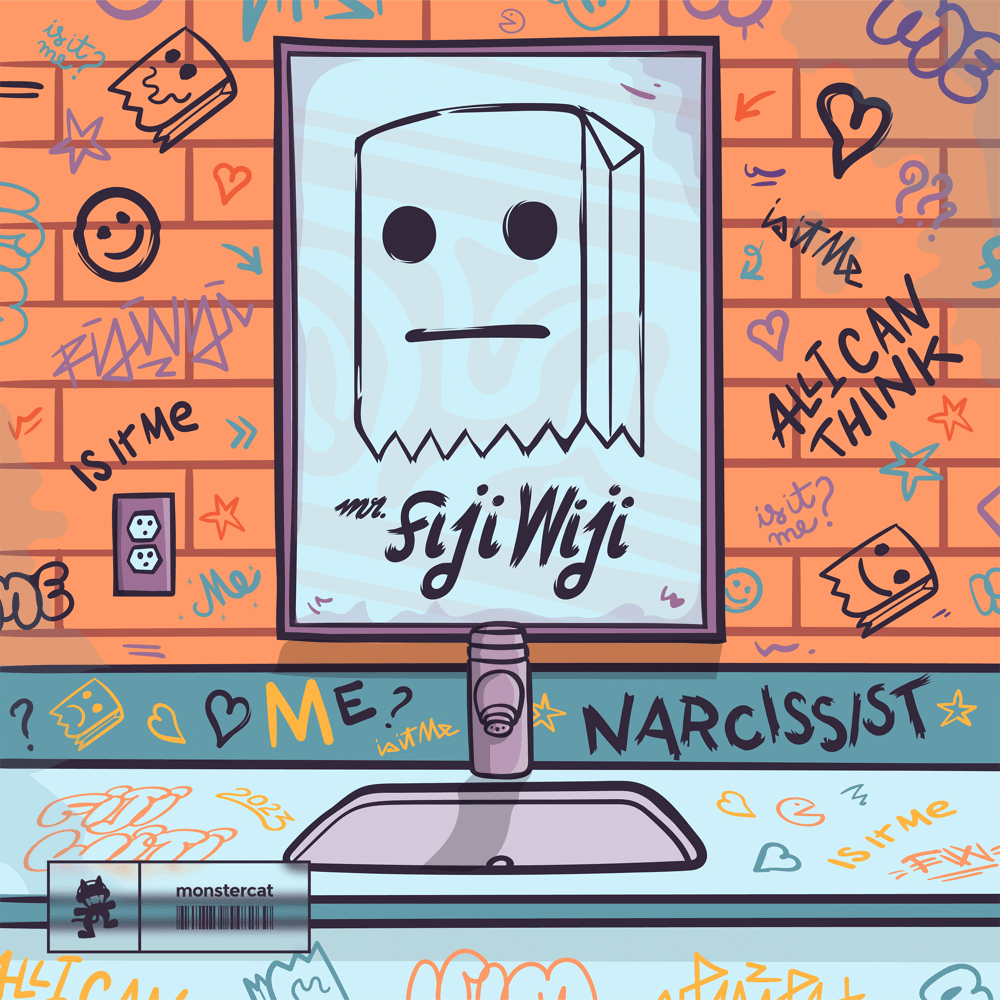
The lyrics present a stark, almost suffocating, fixation on the self. The repeated phrase "All I can think about" hammers home a singular, obsessive focus, creating an immediate sense of being trapped in a loop of introspection. This isn't a gentle contemplation; it's a relentless internal monologue that leaves no room for anything else. The dominant emotional tone is one of intense self-absorption, bordering on paranoia.
The central tension lies in the question "Is it me?" This query, repeated with increasing urgency and fragmentation, suggests a profound internal conflict. The narrator seems to be grappling with their own identity and role in a situation, constantly returning to the idea that their own self is the root cause or the sole focus. The inclusion of "you" only once, juxtaposed against the overwhelming "me," highlights the imbalance and the narrator's inability to truly acknowledge or engage with another.
The most striking aspect of the craft here is the sheer, unadulterated repetition. The phrase "All I can think" and the pronoun "Me" are not just repeated; they are stretched, distorted, and fragmented, mirroring the unraveling of a mind consumed by its own reflection. This linguistic breakdown effectively communicates a loss of control and a spiraling descent into self-obsession. The sonic effect of the elongated "out-out-out" and the multiplying "me-me-me" creates a claustrophobic and disorienting experience for the listener.
This lyrical approach is effective because it bypasses complex narrative and goes straight for raw, visceral feeling. The relentless repetition and the simple, stark language create an almost primal expression of self-involvement. It forces the listener to feel the weight of this obsessive thought process, making the internal struggle palpable and unsettling. The song doesn't tell you it's about narcissism; it makes you feel the suffocating reality of it.
 View Artist