Song Meaning
The lyrics paint a vivid, almost hallucinatory picture of a fervent, perhaps revolutionary, awakening. The opening lines pulse with an intense "sangue fervendo de amor," immediately establishing a passionate, almost overwhelming emotional state. This fervor is met with a jarring, almost violent imagery of "falcões" (falcons) and "carabinas" (rifles), suggesting a clash between personal passion and external, potentially dangerous forces. The repeated question "onde estou?" (where am I?) underscores a sense of disorientation amidst this charged atmosphere, hinting at a loss of self or place as the external world intrudes.
The central tension arises from the narrator's internal state versus the external reality. The "compromisso a sirene chamou" (a commitment the siren called) signifies an unavoidable duty or call to action, which seems to have a disorienting effect. The narrator's "senso de humor" (sense of humor) is lost "na cidade onde estou" (in the city where I am), suggesting that the seriousness of the situation or the environment has stripped away lightness and perhaps even sanity. This loss of self, juxtaposed with the intense passion, creates a powerful internal conflict.
The repeated exclamations of "Viva Zapátria!" and "Salve Zapátria!" are the lyrical anchor, a rallying cry for a homeland or a cause. The phrase "ano um chegou" (year one has arrived) implies a new beginning, a radical shift, or the start of a new era, possibly born from the preceding turmoil. The city is described as "uma herança só" (only an inheritance), which could imply a burden or a legacy that must be claimed or fought for. The final lines, "Horizonte aberto onde estou / Esta América mãe onde estou," offer a broader, more hopeful, yet still uncertain, scope, placing this personal and collective awakening within a vast, maternal continent.
This piece is effective because it masterfully blends visceral personal emotion with potent political or social undertones. The rapid shifts from internal feeling to external threat, and then to a collective cry, create a sense of urgent, unfolding drama. The ambiguity of "Zapátria" and "América mãe" allows for a broad interpretation, while the specific, sharp images like "falcões" and "carabinas" ground the abstract passion in tangible, even menacing, reality, making the narrator's disorientation and fervent commitment feel deeply resonant.
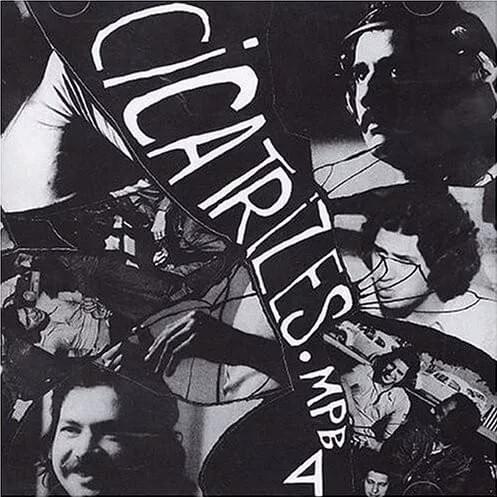
 View Artist