Song Meaning
The lyrics paint a vivid picture of Juca, apprehended mid-celebration for the crime of dancing. His joyful samba, performed right before Maria's window, transforms a night of pure happiness into a cold, rainy one. The moonlit serenade, meant to reach Maria, fails to awaken her, leaving Juca’s romantic gesture unacknowledged and his spirit dampened.
This sets up a poignant, almost absurd conflict: Juca is detained, questioning the very nature of his actions. He declares to the delegate that he doesn't know if his love is a crime or if his samba is a sin. This highlights a deep confusion between societal rules and personal expression, suggesting that the act of expressing joy and affection can be wrongly criminalized.
The narrative takes a turn with Juca's defense: he bangs on the table, a rhythmic act of defiance. The lyrics subtly contrast Juca's passionate samba with the delegate's perceived inability to understand it. The delegate, though perhaps skilled in his own domain ('bamba na delegacia'), has never experienced the samba or, crucially, 'seen Maria,' implying a lack of emotional or artistic understanding that mirrors his failure to grasp Juca's situation.
Ultimately, the effectiveness of these lyrics lies in their charmingly surreal portrayal of a man punished for his joy. The contrast between Juca's vibrant samba and the cold reality of his arrest, coupled with his innocent questioning of love and sin, creates a memorable and slightly melancholic narrative about the potential for society to misunderstand and stifle genuine, heartfelt expression.
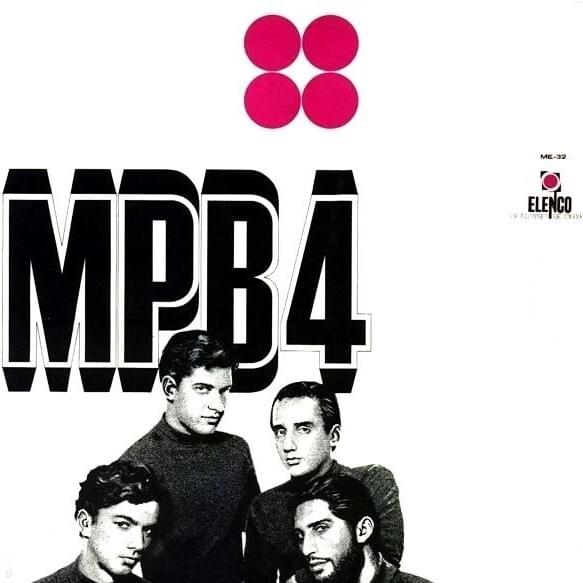
 View Artist