Song Meaning
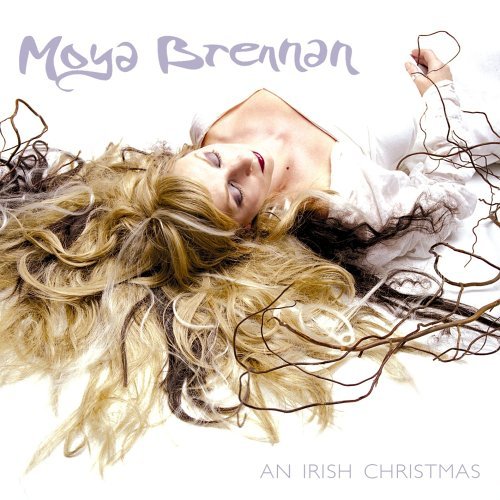
Moya Brennan's rendition of "What Child Is This" strips away the tinsel and commercialism, revealing the carol's stark core: a meditation on power, humility, and the disquieting paradox of divinity arriving in utter destitution. The song's insistent questioning – "What child is this?" – isn't merely seeking an identity. It's probing the very nature of kingship and salvation. Brennan's ethereal vocal, combined with the haunting melody, amplifies the emotional weight of a savior born not in a palace but a manger. It's a deliberate contrast, forcing the listener to confront the uncomfortable truth that true power often resides in the most unexpected, vulnerable forms. The lyrics analysis points to the inversion of earthly hierarchies. Shepherds, the marginalized, are the first witnesses; angels, the celestial elite, offer their praise. This subversion is central to the song's meaning.
The repeated chorus, "This, this is Christ the King," becomes less a triumphant declaration and more a whispered reassurance, a fragile assertion of faith in the face of overwhelming odds. The plea to "haste, haste to bring Him laud" carries an urgency, an implicit understanding that this moment of divine vulnerability is fleeting and must be met with immediate devotion. The focus on Mary, "The Babe, the Son of Mary," humanizes the divine narrative, grounding it in the very real experience of motherhood and the profound responsibility it entails. It's not just about a king being born; it's about a mother and child facing an uncertain world.
Finally, the offering of incense, gold, and myrrh isn't simply a symbolic gesture of wealth. It represents a surrender of earthly possessions and ambitions before a power that transcends material value. The call to "come, peasant, king, to own Him" underscores the universality of salvation, extending beyond social strata. "What Child Is This," through Brennan's interpretation, becomes a powerful reminder that the most profound truths are often found not in grand pronouncements but in quiet moments of contemplation and selfless devotion. The song's meaning resonates deeply because it acknowledges the inherent tension between the divine and the human, the powerful and the vulnerable, ultimately offering a vision of hope rooted in humility and compassion.
 View Artist