Song Meaning
Moya Brennan's "Is It Now" unfolds like a half-remembered Eden, a sonic tapestry woven from innocence and the yearning for a prelapsarian state. The song's structure, built on simple repetitions of "dreaming, singing, believing," acts as a mantra, almost hypnotic in its effect. Brennan isn't just describing a scene; she's attempting to conjure a feeling, a return to a time before disillusionment set in. Images of "warm, gentle breeze," "willow trees," and "white swans" aren't merely pastoral; they represent a primal connection to nature, a harmony that humanity seems to have lost. The "innocent hearts everywhere" suggest a world unburdened by cynicism or malice. It’s this pervasive innocence that is the key to understanding the song's core. The question "Is it now?" becomes less about a specific moment and more about an ongoing quest.
The lyrics subtly hint at a transition. The introduction of "raindrops and rainbows" after the initial verse suggests a cleansing, a potential for renewal. But there's also a bittersweet undercurrent. The "breathless autumn trees" acknowledge the passage of time, the inevitable decay that shadows even the most idyllic landscapes. This isn't just about childhood; it's about the possibility of recapturing that childlike wonder, of finding moments of grace even amidst the complexities of adult life. The act of "climbing high just to feel free" is poignant—a desperate attempt to transcend earthly constraints and reclaim a sense of limitless potential.
Ultimately, "Is It Now" is an exploration of the human desire for transcendence. Brennan uses the language of dreams and nature to tap into a deeper psychological need: the need to believe in something pure, something untainted by the harsh realities of the world. The "distant kind of day" she dreams of isn't just a nostalgic fantasy; it's a beacon, a reminder that even when clouds drift in, the possibility of clarity, of renewed hope, always remains. The song's beauty lies in its ability to evoke this feeling without resorting to sentimentality, offering instead a fragile but enduring vision of hope.
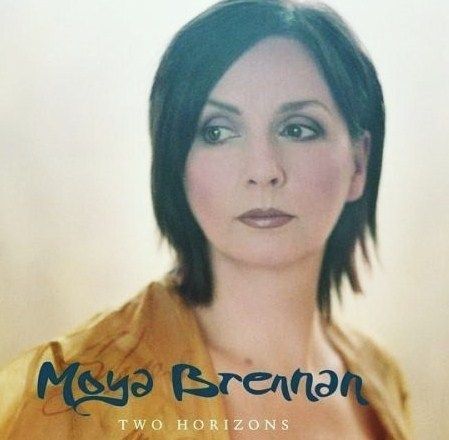
 View Artist