Song Meaning
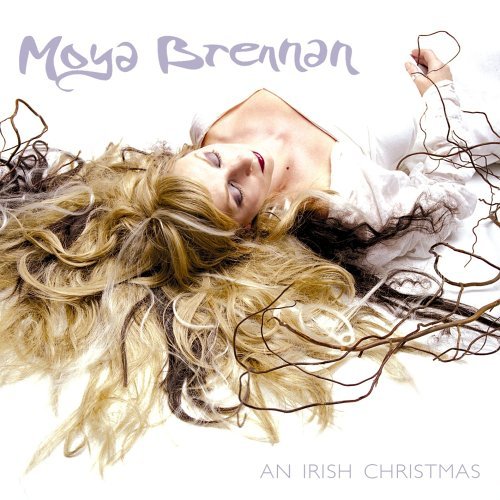
Moya Brennan's rendition of "In the Bleak Midwinter" isn't just a Christmas carol; it's a stark meditation on divine humility and the paradoxical nature of faith. Christina Rossetti's lyrics, set against the backdrop of a desolate winter landscape, paint a picture of profound contrast. The frozen earth, the iron-hard ground, and the relentless snow serve as a visceral reminder of the harsh realities into which the divine entered. It’s a brutal setting, almost defiant in its inhospitable nature, making the birth of Christ within it all the more striking. Brennan's ethereal vocals amplify this sense of otherworldly presence grounded in earthly struggle, a signature of her Celtic-infused style. The song cleverly juxtaposes the immense power of God – a being that even Heaven cannot contain – with the simple, almost embarrassing humility of his arrival in a stable.
The emotional core of the song resides in its exploration of inadequacy. The lyrics subtly question the grandiosity often associated with religious devotion. Forget the angels and archangels; the true act of worship is found in the quiet, intimate moment between Mary and her newborn son. The rhetorical question, "What can I give Him, poor as I am?" cuts straight to the heart of human vulnerability. It acknowledges the inherent imbalance between the divine and the mortal, and the anxiety that arises from wanting to offer something worthy. The shepherd's lamb and the wiseman's gifts are acknowledged, but ultimately insufficient.
The concluding lines deliver the song's most potent message: the only true offering is one's heart. It's a deeply personal and resonant sentiment, suggesting that genuine faith isn't about elaborate rituals or material possessions, but about surrendering oneself completely. Brennan's interpretation leans into this vulnerability, her voice cracking slightly on the final plea, transforming the carol into a poignant and deeply affecting exploration of spiritual longing and the search for authentic connection with the divine. The bleak midwinter, then, becomes not just a setting, but a mirror reflecting the barrenness within us that only selfless love can thaw.
 View Artist