Song Meaning
Moya Brennan's "Cé Leis" operates in the shadowed spaces between yearning and resignation. The song, largely sung in Gaelic, immediately establishes a tone of melancholy introspection. Brennan's voice, ethereally beautiful, carries the weight of unspoken grief and enduring memory. The opening lines, "Little how I know your ways/I'm a fool/Still the fire in my heart/Never leaves me," hint at a past relationship or connection, one marked by naiveté and perhaps a sense of betrayal, yet the 'fire' of love or longing persists, an ember refusing to be extinguished. This juxtaposition of foolishness and enduring passion forms the core emotional tension of the song. Brennan isn't simply lamenting a loss; she's grappling with the stubborn refusal of the heart to let go. The chorus reinforces this theme, emphasizing the permanence of memories and the unchanging nature of her heart.
The Gaelic verses, translating to "Whose is the sorrow among my people/I feel alone," broaden the scope of the song's meaning. It's not just personal heartbreak being explored, but a sense of isolation within a larger community, perhaps even a cultural or spiritual disconnect. This isolation is further emphasized in the English verses that follow: "Strange now it's too late for me/By myself/Empty as the days go by/Without you/Haunting me." The 'you' remains undefined, allowing the listener to project their own experiences of loss onto the song. It could be a lost lover, a departed friend, or even a fading sense of self. The "haunting" suggests a persistent presence of the past, an inability to fully escape its grasp.
The closing imagery of a "clouded sky" and the "peaceful dark at night" provides a glimmer of solace. Even amidst the sorrow and loneliness, there's a recognition of beauty in the darkness, a quiet acceptance of the cyclical nature of pain and healing. The rain, often a symbol of cleansing or renewal, suggests a potential for emotional catharsis. Ultimately, "Cé Leis" is a poignant meditation on the enduring power of memory, the complexities of grief, and the search for peace amidst personal and cultural isolation. The song's meaning resonates through its delicate balance of vulnerability and strength, characteristic of Brennan's artistry.
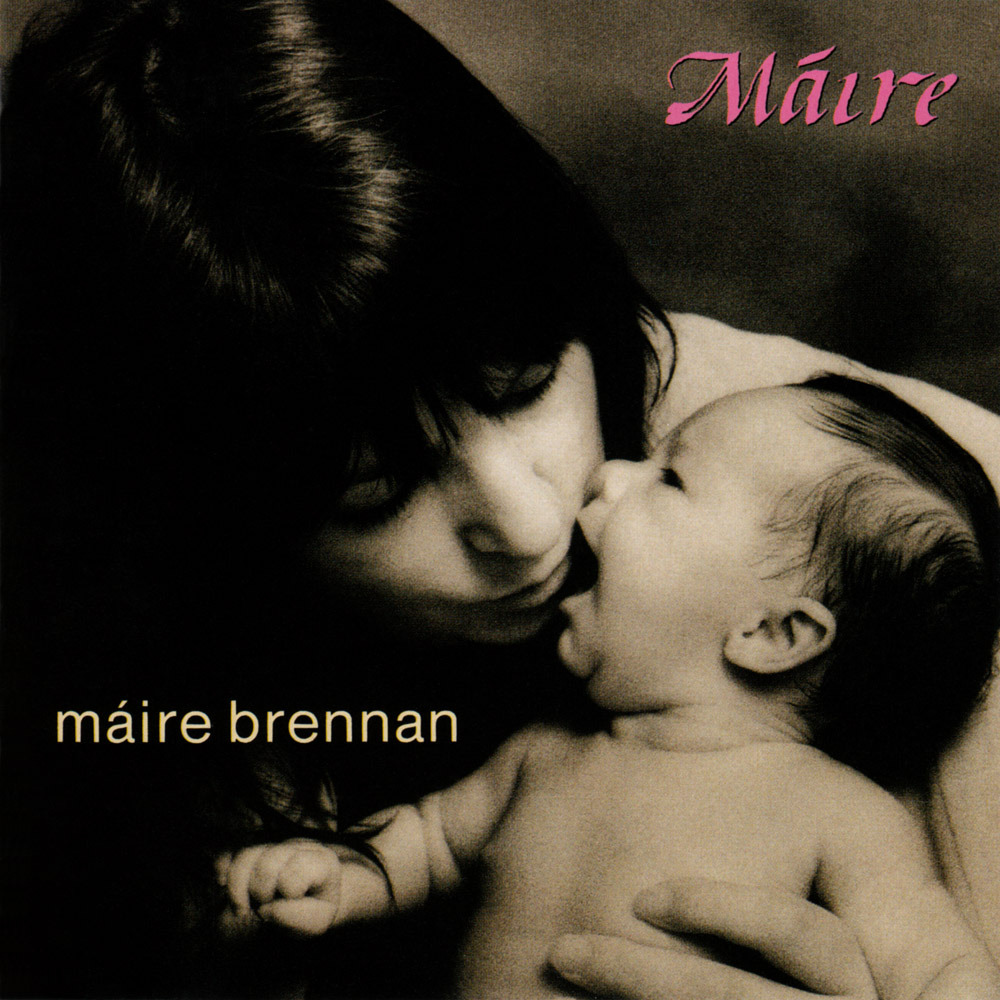
 View Artist