Song Meaning
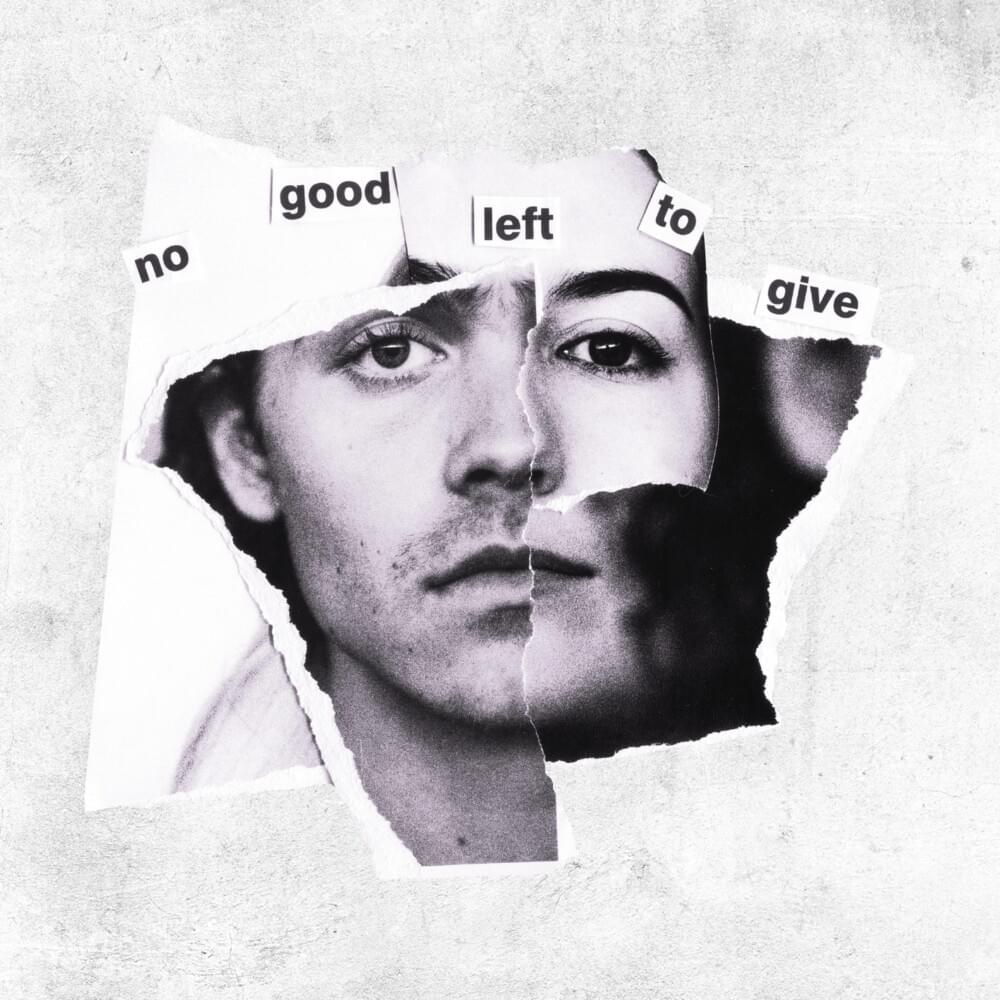
These lyrics paint a stark picture of absolute emotional depletion. "Emptiness" isn't just a feeling here; it's a solitary, desperate figure standing alone. The speaker declares there's "no good that's left to give," a chilling statement of utter exhaustion.
The central tension arises from the blunt declaration that "Love took the last of it." This isn't a gentle fading; the word "took" implies an active, almost forceful extraction, suggesting that affection came at an ultimate, devastating cost. It frames love not as a source of replenishment, but as the very thing that drained the well dry.
What makes these lines particularly potent is the striking personification of "emptiness." Giving it a physical presence and a "look so desperate" transforms an abstract state into a tangible, almost haunting entity. It externalizes an internal void, making the speaker's desolation feel like an inescapable companion, a silent witness to their own emotional bankruptcy.
The relentless repetition in the outro, with the parenthetical "No good left to give" echoing like a mantra, hammers home this sense of finality. It's not just a fleeting thought but a pervasive, cyclical reality. The brevity and starkness of the language amplify its impact, leaving no room for hope or recovery, only the cold, hard truth of having nothing left.
 View Artist