Song Meaning
The lyrics open with a jarring image of self-inflicted surgery, a desperate attempt to fix internal turmoil. The speaker imagines an "operating room" where they could literally "split my brain in two" and "erase these things I do." This isn't just introspection; it's a visceral desire for radical self-excision.
This intense self-scrutiny quickly reveals a deeper emotional tension: a relentless cycle of analysis that only seems to "interpret emptiness." The speaker attempts to relieve profound restlessness, yet the struggle persists with an "endless resonance." There's a sharp cynicism directed at external solutions, as the narrator dismisses a diagnosis of depression, implying they already know their own profound distress.
The lyrics take a striking turn, personifying internal struggles as "demons" that have "come to life." These entities are depicted as consuming the speaker from within. What's truly arresting is the subsequent admission: the speaker has given up on trying to hide from them. This isn't surrender to defeat, but a bleak acceptance, suggesting these destructive forces are now the only constant companions left. It paints a picture of profound isolation where even torment becomes a perverse form of belonging.
This raw honesty culminates in the stark declaration that the speaker is "stuck in a losing fight." The imagery of a "black and white" weight and sleepless nights reinforces an unyielding reality. The effectiveness lies in how the lyrics meticulously build a portrait of internal agony, moving from a desperate desire for change to a weary, almost resigned acceptance of an inescapable, ongoing battle. The final, blunt statement, "I am not alright," lands with the weight of absolute truth.
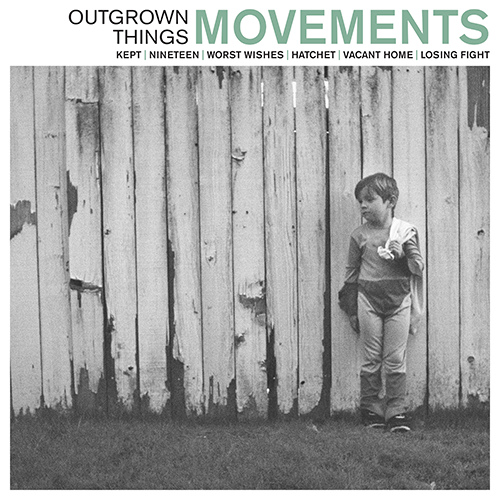
 View Artist