Song Meaning
The lyrics paint a picture of navigating a chaotic, overwhelming environment, possibly a city or a social scene, where things are happening fast and unpredictably. There's a sense of being caught in the middle of conflicting demands and opinions, with the narrator trying to maintain their own path amidst the confusion. The opening lines establish a vibe of enjoying simple pleasures, like mangoes in Ismailia, but quickly pivot to a feeling of intense activity and a divided social landscape. The narrator feels their own distinct identity, with contrasting eye colors mentioned, setting them apart from those perceived as being 'on the wrong track' or 'torn up.'
This tension is amplified by the conflicting pressures the narrator faces: 'They want us to scream and they want us to be sensible.' This creates a central conflict of identity and agency, where the narrator struggles to reconcile external expectations with their internal state. The line 'I don't understand anymore who understands' highlights a profound disorientation and a loss of clarity regarding who is truly in control or knowledgeable. The feeling of being overwhelmed is further conveyed by the comparison to raising a child, suggesting a burdensome, constant demand for attention and management.
The bridge offers a moment of introspection, where the narrator admits to being mentally exhausted ('dead') but still sharp and grounded. They perceive others as 'incomplete worlds' and themselves as the 'extra,' suggesting a unique perspective or perhaps a feeling of being an outsider. The narrator asserts their agency, stating they 'didn't lock myself up,' implying a deliberate choice to remain open and engaged despite the difficulties. The ability to 'prepare it in a second like a genie' points to a quick-wittedness and resourcefulness.
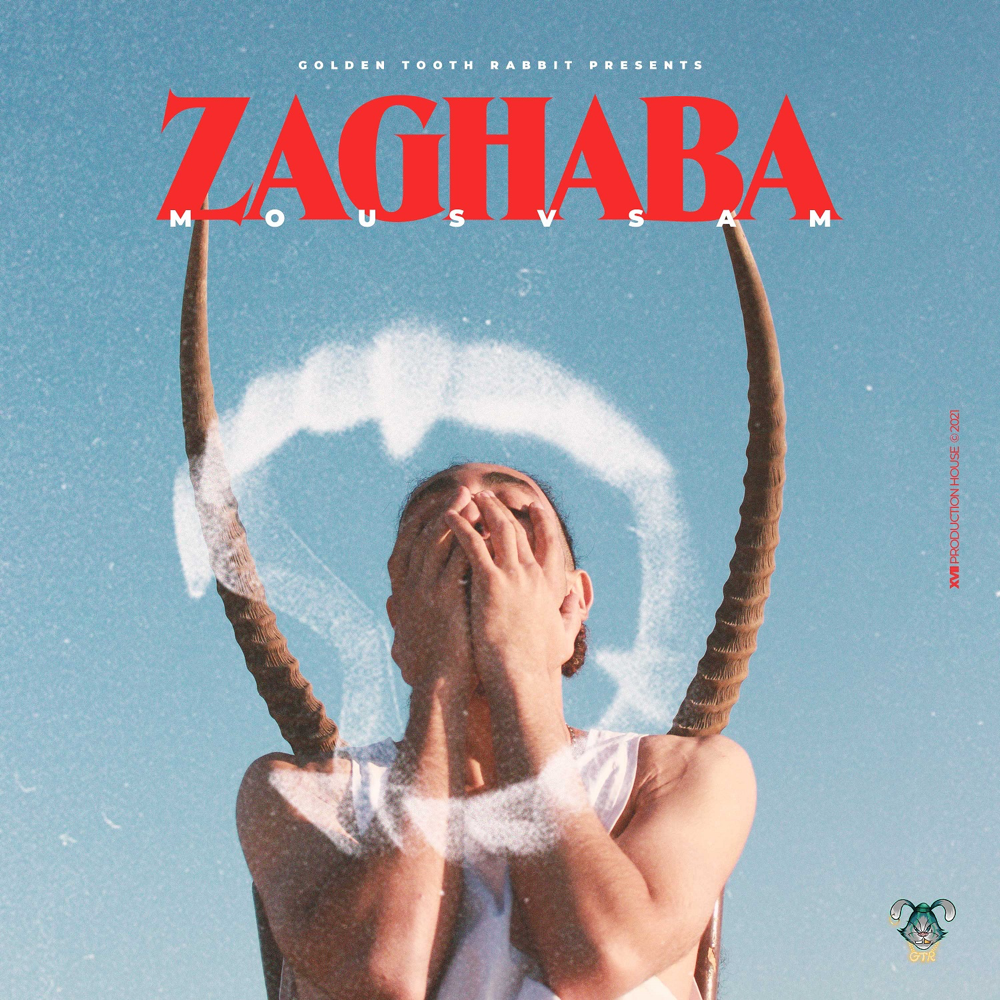
The second verse dives deeper into the feeling of societal unease and the fear of consequences, like imprisonment. The narrator positions themselves as someone who has the 'code and the solution' for navigating these tricky situations, even while others 'take a side.' The recurring phrase 'catch me in the cloud' or 'catch me in the Zaghaba' (which seems to refer to a chaotic or overwhelming state) suggests a desire to be found within this intense experience, perhaps embracing the madness. The imagery of 'bats behind my back' and needing 'eye drops' or 'softer medicine' for others implies a perception of hidden dangers and a need for healing or relief for those around them, contrasting with their own sharp awareness.
 View Artist