Song Meaning
The narrator observes a place where time seems to have slowed, marked by the subtle, organic changes of moss growing and the persistent sweep of the wind. There's a sense of prolonged presence, a stillness that allows for the accumulation of small details, like "the silt I clutch," suggesting a deep, perhaps reluctant, connection to this environment. The act of "watching the light change" becomes a ritual, a way to perceive the subtle vitality of the location, implying that life persists even in apparent stasis.
The core tension arises from the contrast between the perceived stagnation and the underlying, almost imperceptible, life force. The narrator notes they've "stayed here long enough," hinting at a potential desire for movement or change, yet the imagery of "moss has started to grow" and "white permanent snow" points to an enduring, unchanging quality of the place. This creates a feeling of being caught between the present moment's inertia and the slow, inevitable march of natural processes.
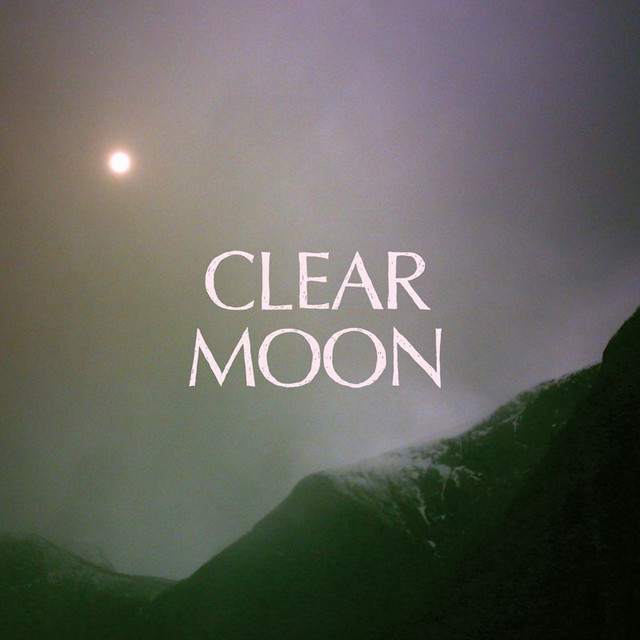
The lyrics employ stark, almost elemental imagery to convey this atmosphere. The juxtaposition of "ashes and fog" with "white permanent snow shines" is particularly striking. It suggests a landscape that is both desolate and enduring, perhaps marked by past destruction but still possessing a stark, cold beauty. The phrase "the place lives" itself is a powerful, understated assertion of vitality against a backdrop that might otherwise seem lifeless.
This piece resonates through its quiet, observational tone and its focus on the subtle signs of existence. The narrator's patient watching and the deliberate, almost meditative descriptions allow the listener to feel the weight of time and the persistent, quiet hum of life in a seemingly static environment. It’s this delicate balance between stillness and subtle animation that gives the lyrics their profound, lingering impact.
 View Artist