Song Meaning
The lyrics paint a stark, isolated scene. We're positioned on one island, observing distant "pale lights" across a "blue dusk" water. The visual is one of separation and faint, almost ghostly, illumination. The narrator's immediate environment feels empty, defined only by the shapes of other landmasses and the vastness of the water between them.
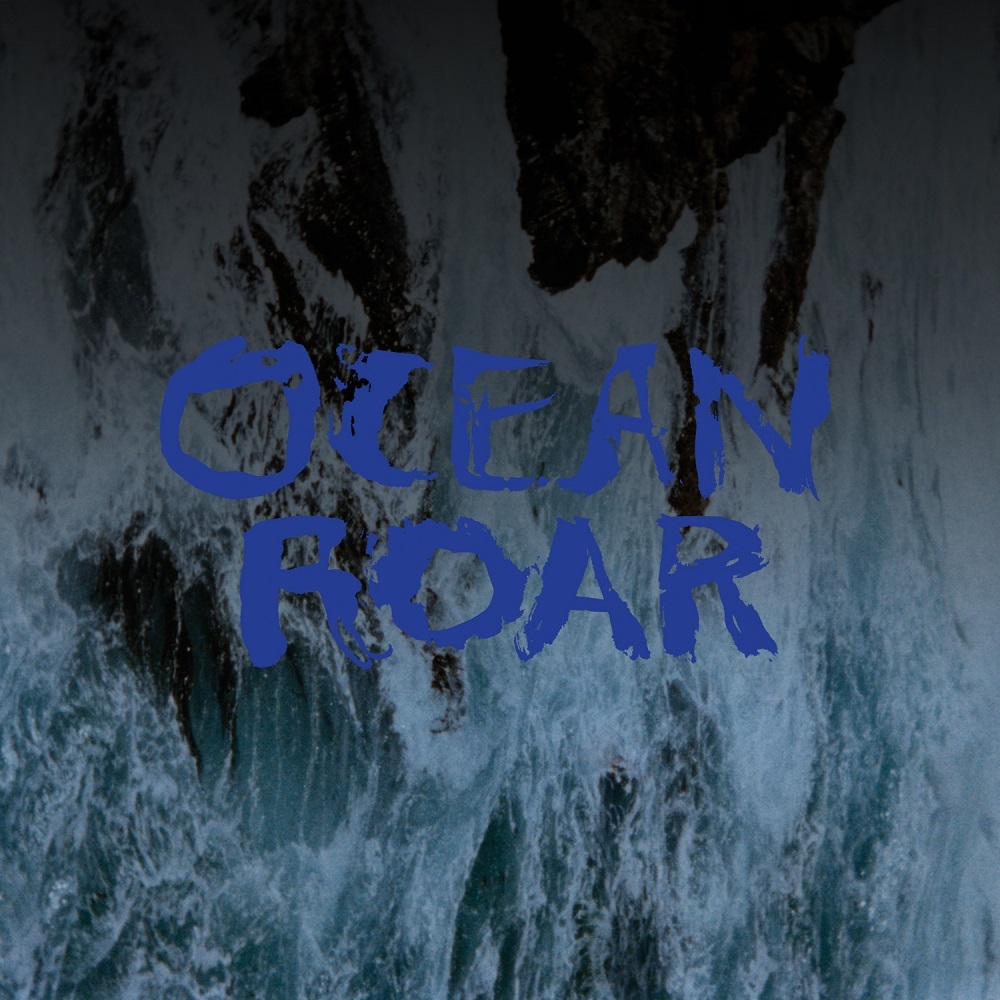
The dominant tension arises from the narrator's desperate, solitary attempt at connection. The question "Who is there?" is met not with a response, but with a "small yelp on the wind." This fragile sound is immediately swallowed by "more roaring," suggesting an overwhelming, indifferent natural force or perhaps an internal despair that drowns out any hope of reply. The contrast between the tentative human call and the immense, impersonal "roaring" highlights profound loneliness.
The craft here is in the stark, almost brutal simplicity. The imagery is sparse but potent: "pale lights," "blue dusk," "island shapes." The shift from observation to direct address ("Who is there? I call") is swift, followed by the anticlimactic "yelp on the wind." The abrupt ending with "more roaring" leaves the listener with a sense of unresolved isolation, emphasizing the futility of the narrator's plea.
This writing is effective because it captures a primal sense of being small and unheard against an immense backdrop. The lyrics don't explain the roaring or the distance; they simply present the stark reality of the narrator's experience. The emotional weight comes from the unadorned depiction of a single, unanswered call lost in a vast, indifferent space.
 View Artist