Song Meaning
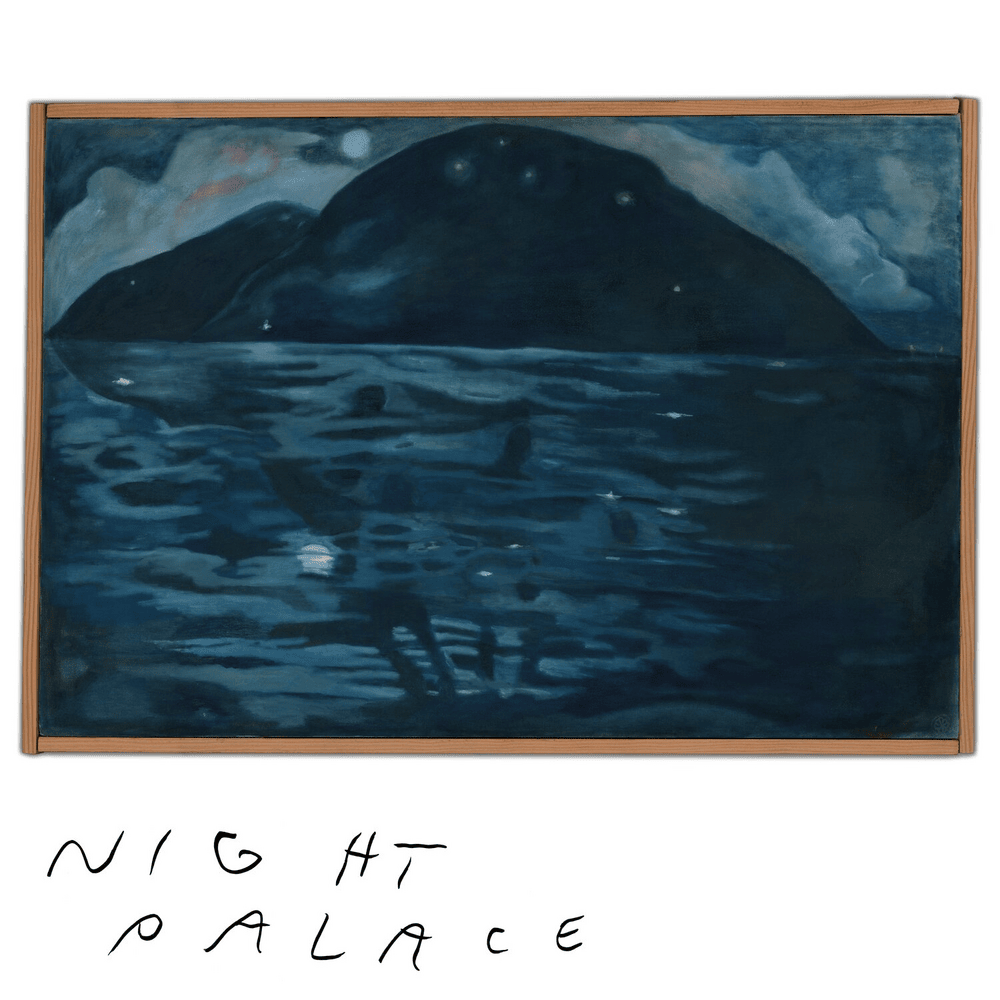
The lyrics paint a stark picture of seasonal displacement and economic disparity, focusing on the narrator's year-round existence in a place designed for temporary escape. The "unoccupied second homes" remain lit, a visual metaphor for wealth held in reserve, reflecting emptily on a "barely moving water" that serves as a "sea where people park their money." This creates an immediate sense of disconnect between the permanent resident and the transient, wealthy owners.
The central tension arises from the narrator's intimate connection with the harsh, natural environment versus the absentee owners' detachment. While they miss the "huge embrace" of the "November rain," the narrator embraces it, "drink[ing] all the rain while I trespass." This trespass isn't just physical; it's an assertion of belonging to a place that, for others, is merely an investment.
The most striking craft element is the personification of the lights and the land. The "blinking eyes" seen in the "lights that dot the hillside" transform the distant homes into watchful, perhaps even predatory, entities. This imagery is amplified by the chilling indictment that "all our stolen wealth is built on screaming bones," suggesting the very foundation of this affluent landscape is rooted in profound suffering.
Ultimately, these lyrics resonate because they ground abstract concepts like wealth and ownership in visceral, sensory details. The contrast between the "winter wind" and the "long darkness," the sound of the wind drowning out "echo loud enough above the blowing," and the visual of "blinking eyes" all combine to create a powerful emotional landscape. The narrator's defiant embrace of the elements, while acknowledging the grim realities beneath the surface, makes their perspective feel both deeply personal and profoundly critical.
 View Artist