Song Meaning
The lyrics open with a direct, weary address to the Moon, acknowledging the narrator's profound smallness. It immediately establishes a tone of resignation and vulnerability, as the speaker feels dwarfed by both physical and emotional landscapes. The core sentiment is a heavy, almost painful self-awareness.
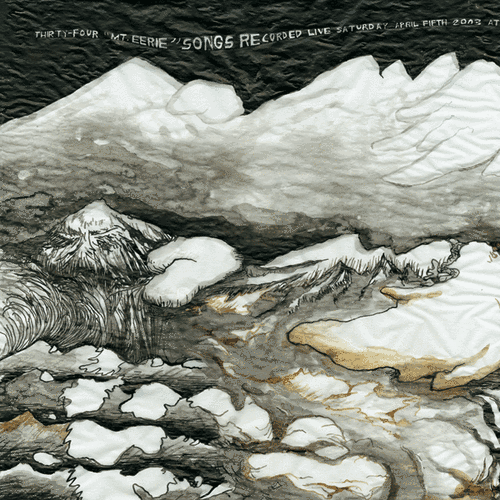
The central conflict lies in the burden of this self-awareness. The narrator is overwhelmed by "menacing mountains" and "old depths of sorrow," which are described as "towering terrors." This isn't just external pressure; it's an internal landscape of fear and grief that makes the speaker feel insignificant and exposed. The repeated "I know, I know, I know" underscores this inescapable, burdensome understanding.
A striking element is the personification of the Moon, which "looks at me like that and then duck[s] behind clouds." This suggests a judgmental, then elusive, cosmic observer, intensifying the narrator's feeling of being scrutinized and then abandoned. This interaction sets up the desperate plea that follows, where the narrator longs to return to a state of primal ignorance, asking to "be dumb again" and "let food drip off my chin." It's a raw, almost shocking desire to shed the weight of consciousness.
The power of these lyrics comes from their unflinching honesty about the weight of knowing. The narrator isn't just lamenting their smallness; they're actively pleading for an escape from the burden of understanding it. The desire to "think you're a light" and "sleep through the night / Unknowing" reveals a profound weariness with the complexities of existence, making the final lines a deeply affecting cry for peace through oblivion.
 View Artist