Song Meaning
The lyrics paint a stark picture of existence, beginning with the mundane act of sweeping. The worn-out broom, shedding its straw, immediately establishes a tone of decay and impermanence. This physical breakdown mirrors the narrator's contemplation of their own life's trajectory, suggesting a shared fate between the tool and the user. The act of sweeping becomes a metaphor for the passage of time and the inevitable wear and tear of life.
This sense of inevitable decline is amplified in the second verse, where the narrator equates their life, worn "to a nub," with the broom's eventual disposal. The phrase "swept up / Eventually" carries a heavy, resigned weight, hinting at a passive acceptance of an end. It’s a quiet acknowledgment of mortality, framed by the simple, repetitive action of cleaning.
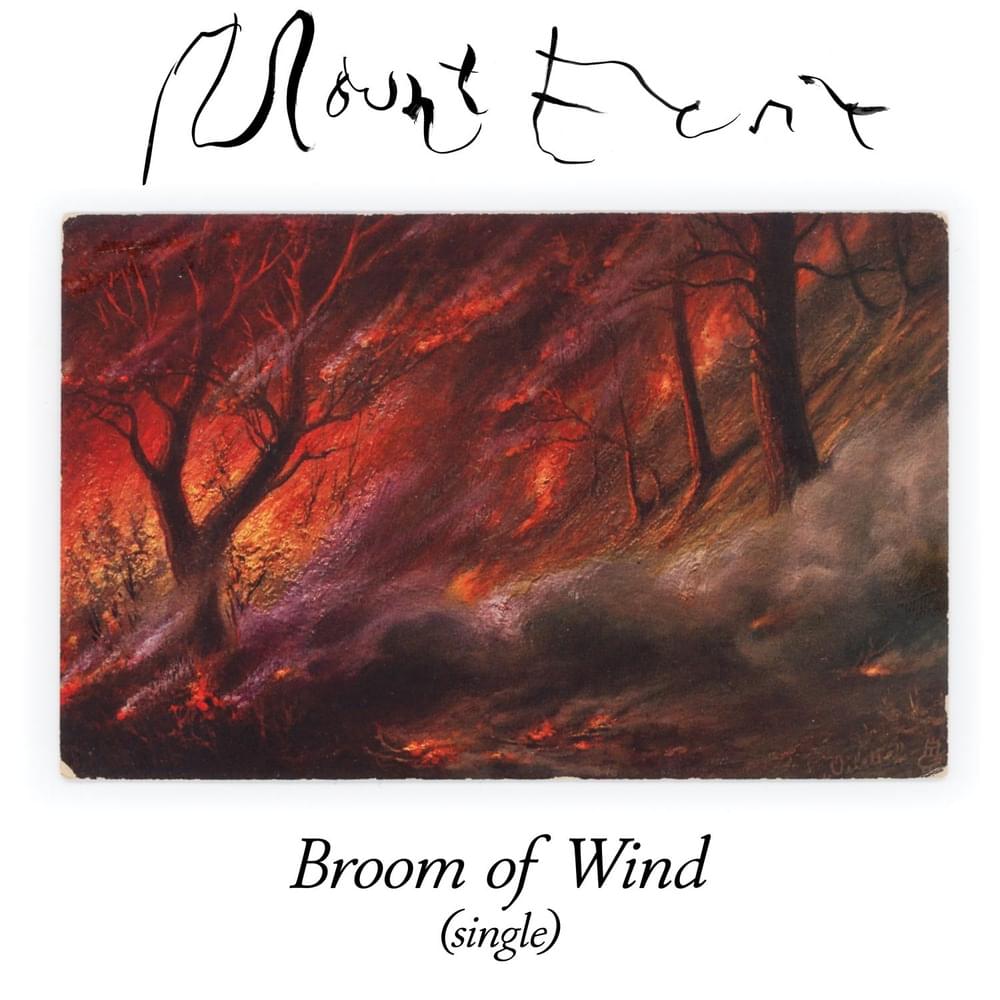
The third verse introduces a cyclical, almost cosmic perspective. The narrator posits that they will be "swept up / By the same thing I once came from," linking their origin to the force that will eventually erase them. The striking image of being "a chunk broken off / From the broom of wind" suggests a primal, elemental source from which all things, including individuals, originate and to which they will return. This "broom of wind" feels like a vast, impersonal force of nature or existence.
Ultimately, the lyrics land on a poignant observation about the present moment. Despite the looming sense of dissolution, the narrator acknowledges their current state: "for now I pass across the land / Like everyone, a piece of wind." This isn't a triumphant declaration, but a quiet recognition of shared transience. The final lines, "Only the occurrence of a person," underscore a profound, almost minimalist view of individuality as a fleeting event within a larger, indifferent natural process.
 View Artist