Song Meaning
The lyrics paint a picture of quiet, almost resigned observation of physical and perceptual decline. The narrator notes the relentless march of time, marked by worsening eyesight and the inevitable aging process. This isn't a dramatic crisis, but a gentle, pervasive shift, like the "shapes in the sun-down half light" that appear as vision fades. The world itself seems to be losing its sharp edges, mirroring the narrator's own changing perception.
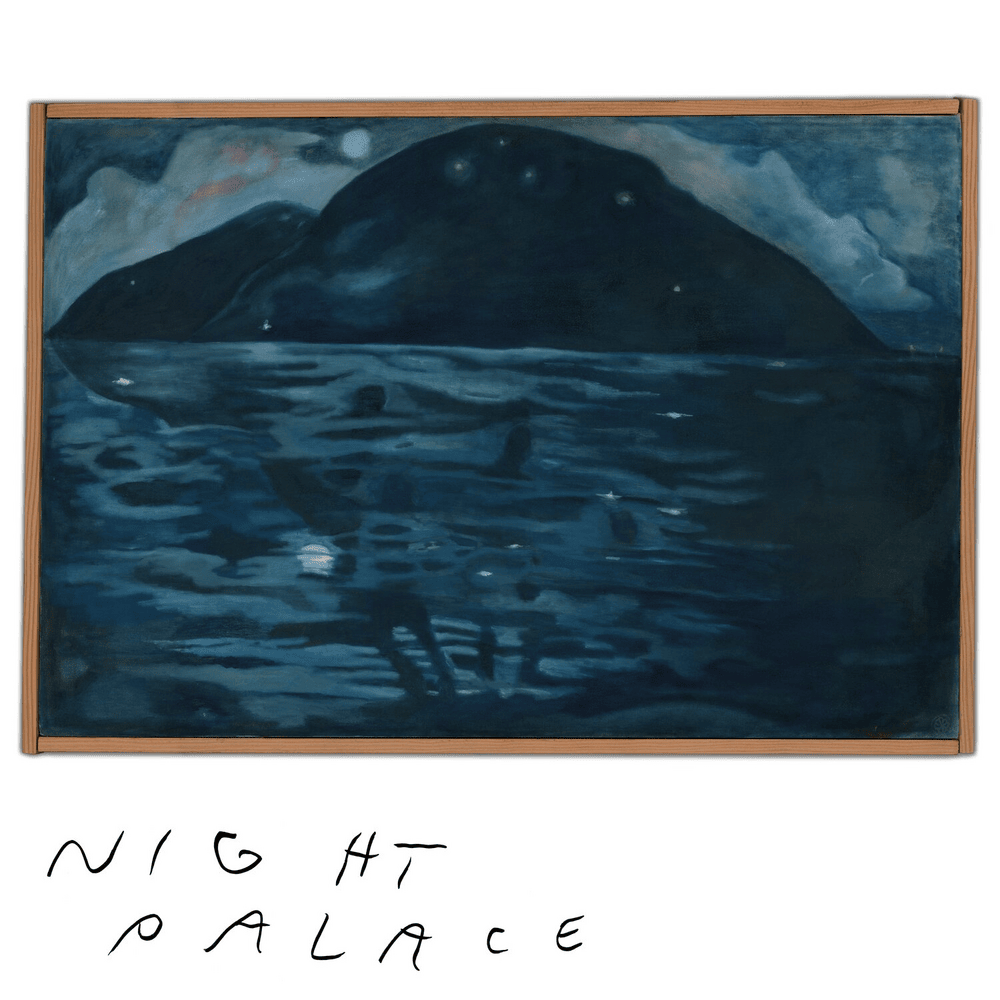
There's a peculiar comfort found in this blurring, a sense of merging with the fading light. The act of going "outside to piss into the night" is mundane, yet it becomes a moment of profound, if understated, connection to the "blurred world." The narrator absorbs the warm air and the "lurching forms," not with alarm, but with a quiet acceptance. This acceptance is key; the narrator finds a strange peace in becoming "just as blurry" as the world around them.
The most striking aspect is the narrator's passive embrace of this fading clarity. The "turning of planets" is an unstoppable force, and the narrator's failing vision is presented as a natural consequence. The "blurred world performs" suggests a kind of gentle spectacle, a show that the narrator is content to watch unfold, even as their own ability to see it clearly diminishes. This isn't about fighting the change, but about finding a quiet harmony within it.
Ultimately, these lyrics resonate because they capture a subtle, often unacknowledged, aspect of aging and perception. The effectiveness lies in the understated language and the quiet, almost meditative tone. The narrator's "happily here in the dusk" feeling, despite the physical changes, offers a unique perspective on finding contentment in the inevitable softening of the world and the self.
 View Artist