Song Meaning
The lyrics paint a stark picture of the aftermath and grim reality of war, focusing on the immense loss and the profound disconnect between those who have fought and those who haven't. The opening verse immediately establishes a sense of overwhelming casualty, stating "a million soldiers" and "a million friends" lost, emphasizing the sheer scale of death and personal grief. This isn't a glorious depiction; it's a somber reckoning with the human cost.
The central tension lies in the unbridgeable gap of experience. The repeated chorus, "You can't understand / If you weren't there," highlights the isolation felt by soldiers. The lyrics suggest that the emotional and psychological transformation that occurs during conflict is something that can only be grasped by those who have lived it firsthand. This creates a feeling of alienation for the narrator and their comrades.
Verse 2 introduces a disturbing shift, moving from loss to the brutal nature of combat itself. Phrases like "delight in slaughter" and the grim acceptance of a "last long ride" reveal a descent into a hardened, perhaps even nihilistic, mindset. The casual mention of "Maybe God's on the other side" underscores a profound uncertainty and a potential loss of faith or moral compass in the face of such violence.
Verse 3 further explores this moral ambiguity and the complex motivations for fighting. The narrator rejects the need for "vindication" and acknowledges the grim destination of "going to Hell," yet paradoxically, they "wear it well." This suggests a deep-seated, perhaps even perverse, pride or resilience forged in the crucible of war, making the experience a defining, albeit hellish, part of their identity.
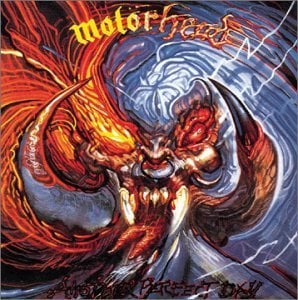
 View Artist