Song Meaning
The lyrics paint a disorienting picture of the present, where the past feels like a fading dream and current reality is hard to grasp. The narrator repeatedly states "Here we are," juxtaposing it with conflicting pairs like "win or lose," "good and bad," and "black and gold," suggesting a present that is simultaneously everything and nothing, a state of being "In another time." This opening establishes a profound sense of detachment from lived experience, questioning the very nature of memory and presence.
The core tension arises from the fractured perception of self and reality, amplified by imagery of decay and distortion. Mirrors are "cracked" and dusty, their reflections flawed, and the "glass seems to sing" with words that are indistinct, like "death." This suggests a struggle to see clearly, both externally and internally, as if the narrator is looking through a damaged lens. The repetition of "Here we are" now feels less like an assertion of presence and more like an acknowledgment of being stuck, "badly used, badly scored," and ultimately "gone before."
A striking element is the persistent presence of the dead, who speak and tell jokes in the narrator's head, even in the "cold in the arms of the dead." This unsettling hallucination blurs the line between life and death, past and present. The lyrics then shift to a historical or imagined past, "In the days before the plague," where figures had "eyes like blades," hinting at a deep-seated, perhaps ancient, source of conflict or suffering that continues to echo. The final lines, "Here and Now, Fear and grief, In another time," solidify the idea that the present is irrevocably tainted by this haunting past, a state of perpetual unease.
This piece is effective because it captures a feeling of profound disorientation and existential dread through stark, fragmented imagery and a relentless, almost mantra-like repetition of "Here we are." The contrast between the assertion of presence and the surrounding descriptions of decay, fractured memory, and spectral voices creates a powerful sense of unease. It speaks to a moment where the present feels less like a solid ground and more like a dislocated echo of past traumas and unresolved conflicts, leaving the listener with a lingering sense of what is real and what is merely a reflection.
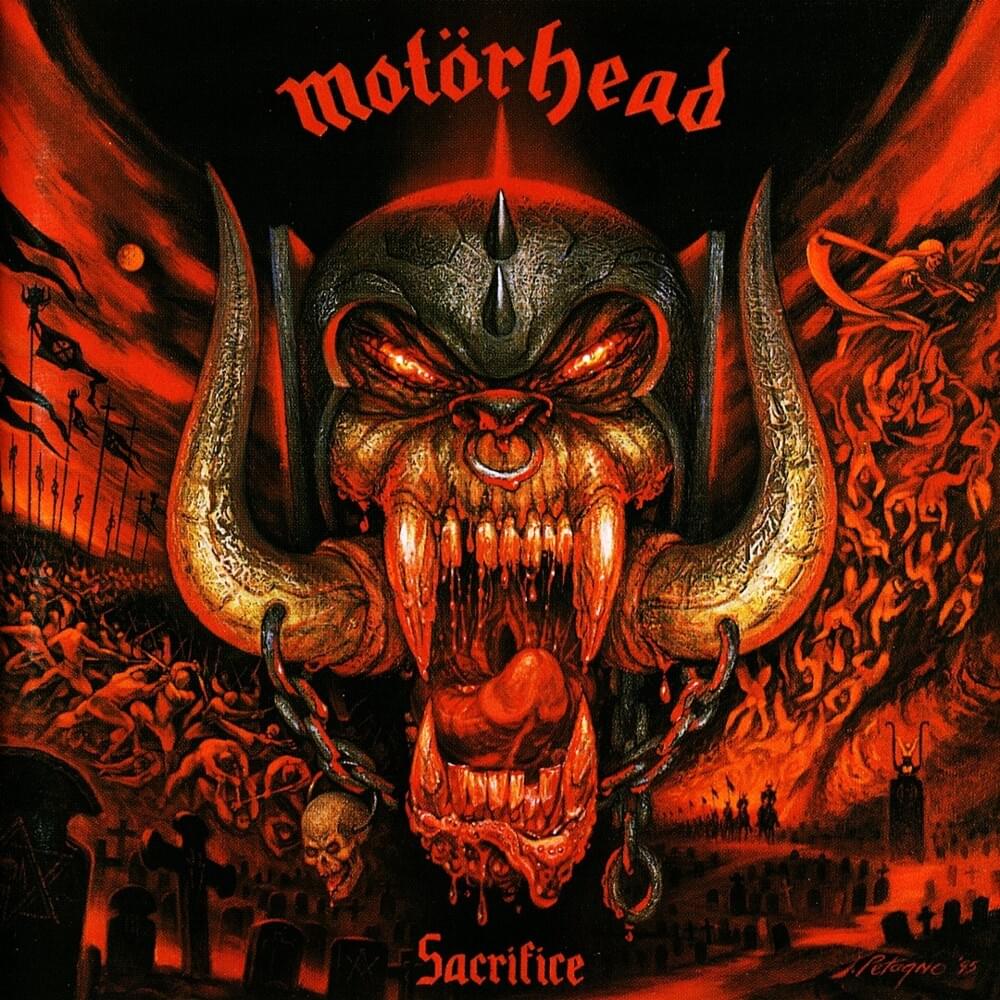
 View Artist