Song Meaning
The lyrics paint a stark picture of utter desolation and a profound sense of being trapped. The narrator stands amidst "ruins" and a "wasted land," feeling "prison'd all alone in my cage of bone." This isn't just physical isolation; it's a deep internal state, a "stone cold heart" that seems to have lost all hope. The imagery of "castles made of sand" suggests that any attempt at building something lasting or meaningful has crumbled, leaving only emptiness.
The central tension revolves around a desperate, perhaps futile, confrontation with an overwhelming, malevolent force, personified as "the devil." The repeated phrase "waiting for the marching band" and "be the devil to pay" creates a sense of impending doom, a grim inevitability. The core struggle is articulated in the chorus: "Can't beat the devil with a dead man's hand," implying that the narrator's current state of powerlessness and ruin offers no means to fight back against this encroaching darkness.
The writing masterfully employs a series of bleak, apocalyptic images to convey this despair. The "blood red sky" and "black clouds" are classic omens of disaster, amplified by the "poison rain" and a "cold dead moon like a junkie spoon." This last image is particularly striking, linking the celestial to a desperate, self-destructive human act, suggesting a world consumed by its own decay. The "vultures at my back" and "beast is loose" further cement the feeling of being hunted and on the brink of finality.
Ultimately, these lyrics resonate because they tap into a primal fear of helplessness against forces beyond one's control. The relentless, grim imagery and the fatalistic chorus create an atmosphere of inescapable doom. The effectiveness lies in how the specific, visceral details—the "cage of bone," the "junkie spoon" moon, the "poison rain"—build a palpable sense of a world and a self utterly broken, with no recourse or escape.
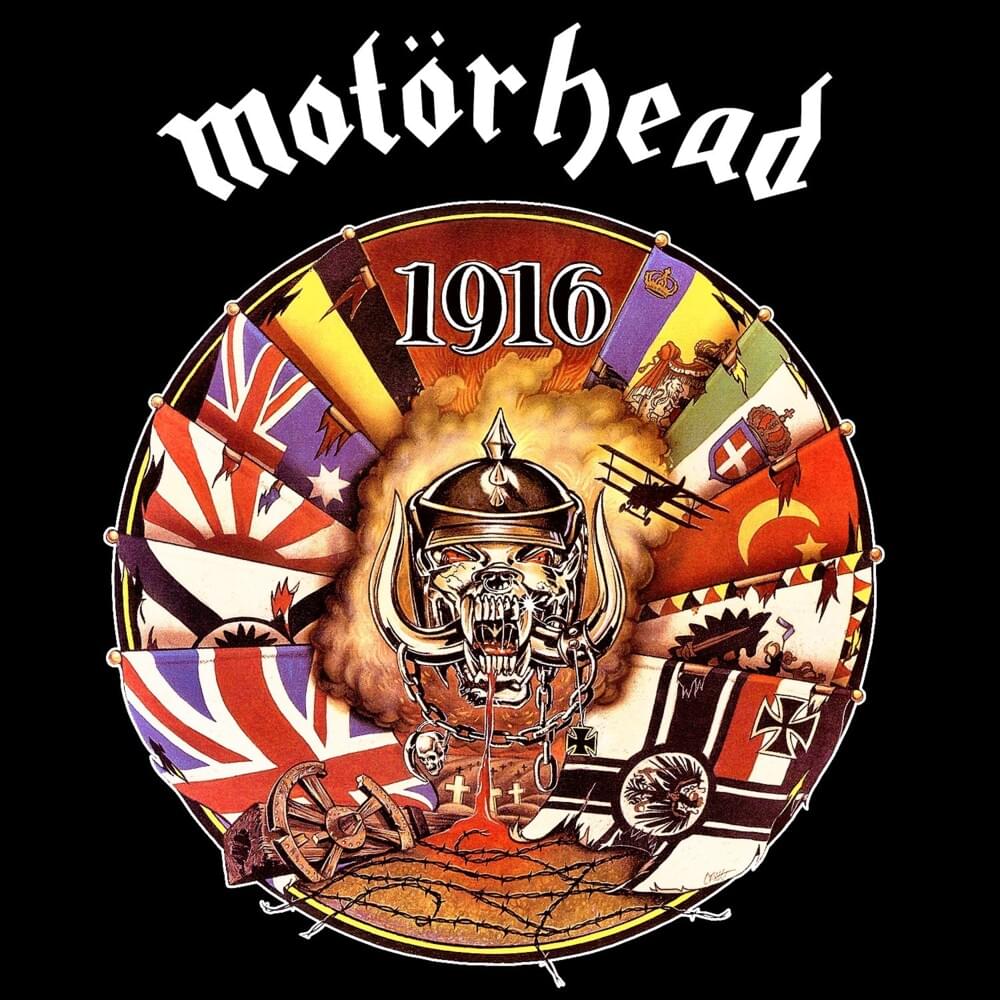
 View Artist