Song Meaning
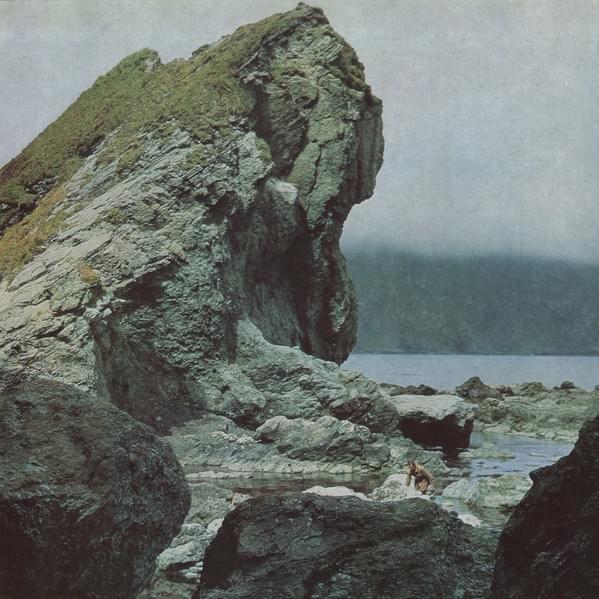
The lyrics paint a stark picture of a world drained of vibrancy, directly referencing Homer's epics to establish a timeless, almost mythic, sense of desolation. The opening lines immediately challenge conventional imagery, noting the absence of blue in the "wine-dark sea" and the general lack of color in Homer's world. This sets a tone of muted reality, a deliberate contrast to the expected vividness of the sea and sky. The scene then shifts to a woman on a night train, her experience mirroring this chromatic emptiness.
The central tension lies in the repeated phrase "Devoid of color," which becomes an anthem for a pervasive emotional or perceptual grayness. This isn't just a description of a visual state; it seems to represent an internal condition. The narrator observes that "she sees the same," linking the woman's perception directly to this lack of color. The repetition of "The same, oh the same" in Verse 2 amplifies this feeling of inescapable monotony and a profound lack of change or excitement in her world.
The most striking aspect of the craft is the persistent invocation of Homeric epics, not for their heroic narratives, but for their perceived lack of color. This literary allusion grounds the feeling of emptiness in a classical, almost foundational, context, suggesting this desaturation is an ancient human condition. The image of the woman "reading on a night train" serves as a recurring anchor, a modern, solitary figure trapped within this color-starved landscape, her act of reading perhaps a futile attempt to find meaning or escape.
Ultimately, the effectiveness of these lyrics stems from their stark, unadorned presentation of a profound emotional void. By stripping away visual richness and linking it to classic literature, the song creates a resonant feeling of universal ennui. The simple, repetitive structure of the chorus hammers home the central theme, leaving the listener with a lingering sense of quiet despair, a world seen only in shades of black, white, and gray.
 View Artist