Song Meaning
The lyrics paint a picture of a relationship that has slipped away, leaving the narrator grasping for understanding and a lost connection. The opening lines express a deep desire to comprehend the moment of separation and a yearning for the past ease of breathing together. This sets a tone of regret and longing for a time when things felt simpler and more connected.
The central tension lies in the narrator's struggle with the passage of time and the irretrievable nature of what's lost. Phrases like "Nos pasa el momento" (The moment passes us) and "El tiempo se ha muerto" (Time has died) emphasize a sense of helplessness as opportunities and the relationship itself fade into oblivion. The repeated plea, "Quiero pedirte me dejes volver hasta a ti" (I want to ask you to let me return to you), underscores the desperate attempt to reclaim what once was.
One striking element is the contrast between the desire for silence and the inability to escape the present reality. The narrator seeks "el silencio de antes" (the silence of before), implying a peaceful state that has been disrupted. Yet, this is immediately followed by "Me pierdo y me alejo y no quiero volver a mentir" (I get lost and move away and don't want to lie again), suggesting a complex internal struggle and a potential past dishonesty that now fuels the desire for authenticity and reconnection. The repetition of "a ti" at the end amplifies the singular focus of this longing.
Ultimately, the effectiveness of these lyrics stems from their raw expression of regret and the palpable sense of time slipping through one's fingers. The simple, direct language conveys a profound emotional weight, making the narrator's yearning for a lost past and a specific person feel intensely personal and universally understood, even without explicit details of the situation.
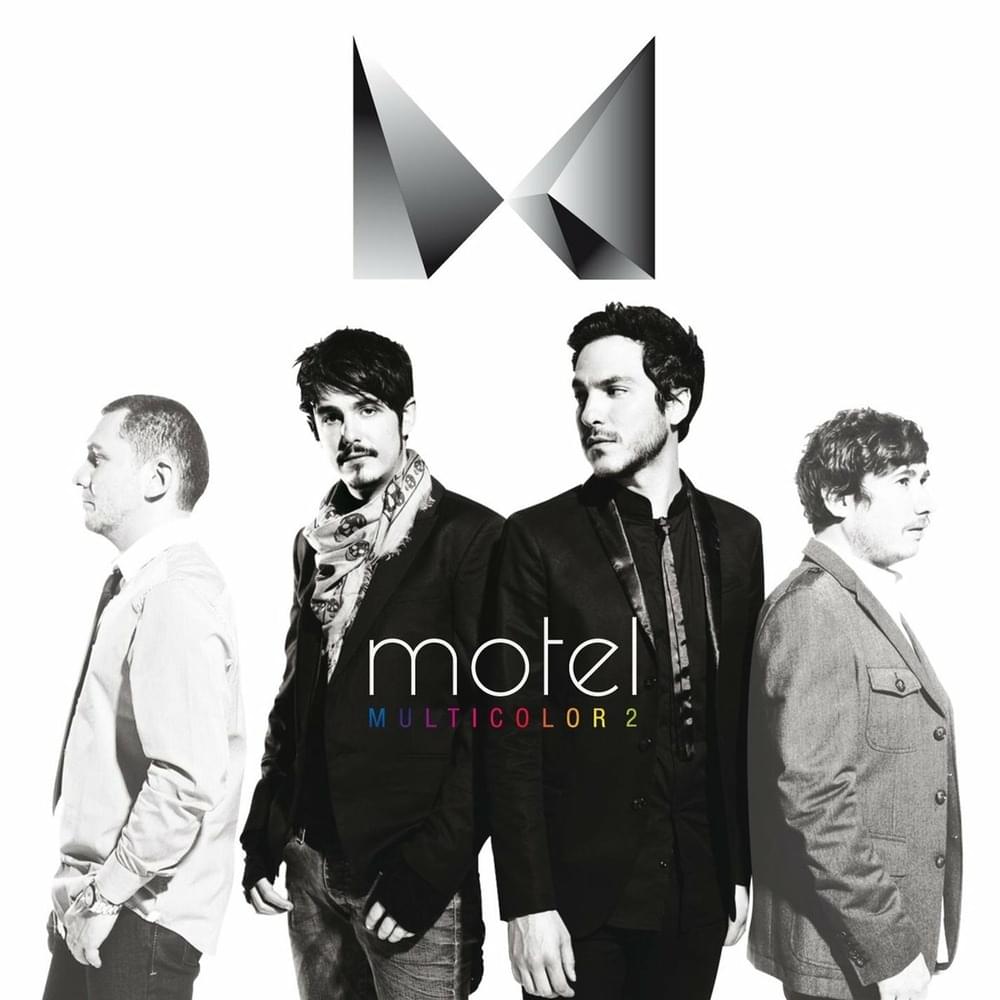
 View Artist