Song Meaning
The narrator finds themselves back in a familiar, painful place, consumed by envy for someone else's ability to move on. They recall a shared experience where their surroundings crumbled, mirroring the demise of their relationship. This sense of loss is so profound that the narrator claims their trust died, overshadowed by a larger tragedy that rendered their own emotional pain almost secondary.
The core tension lies in the narrator's self-awareness of their own destructive patterns, specifically being "too caught up in my game." This internal conflict prevents them from acting, leading to the passive observation of their partner's departure. The tragedy, while significant, is framed as something that "won't distract your heart," highlighting a perceived emotional disconnect or a failure to reciprocate the narrator's depth of feeling, even as they acknowledge their own role in the downfall.
The lyrics employ striking imagery to convey this emotional paralysis. The "mirror turned to stone" is a powerful metaphor for a loss of self or a frozen state of being, unable to reflect or react. The idea of dying "of a broken heart" before any physical harm occurs emphasizes the overwhelming, all-consuming nature of their despair. This internal death precedes the external departure, creating a sense of inevitability and resignation.
This piece resonates because it captures the specific, agonizing feeling of watching a relationship end due to one's own inaction and internal struggles. The contrast between the external "city fall" and the internal "death of my trust" creates a layered sense of devastation. The narrator's self-recrimination, "too caught up in my game," makes the pain feel earned and deeply personal, rather than just a victim's lament.
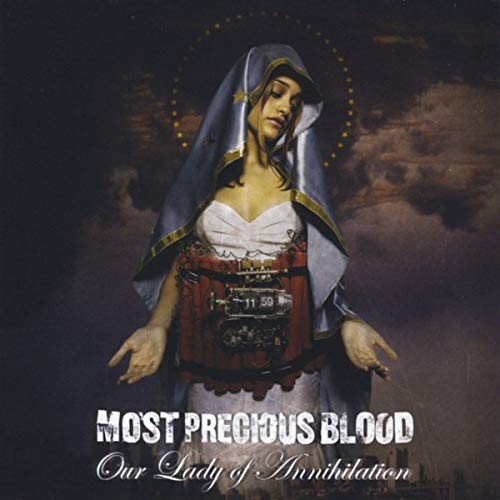
 View Artist