Song Meaning
The lyrics paint a picture of someone trying to connect, perhaps after a few drinks, but facing a profound absence. The repeated "והיא לא פה" (and she's not here) hammers home a sense of loneliness and unfulfilled desire. This isn't just a casual miss; it's a void that permeates different moments, from wanting to talk to being out "באורות" (in the lights). The narrator is clearly seeking a specific person, and their absence is the central, aching theme.
The core tension lies in the narrator's escalating need versus the other person's unavailability. They want to "לרקוד" (dance) and are "מתחיל לרעוד" (starting to tremble), suggesting a mix of excitement and anxiety fueled by this longing. There's a desperate plea, "תני לי עוד" (give me more), and a direct, almost pleading "אל תתני לי לחכות" (don't make me wait), emphasizing the urgency of their emotional state. The repeated "מתייי" (Matay? - roughly meaning 'when?' or 'how long?') acts as a desperate, almost primal cry for resolution or presence.
One striking element is the shift in the second half, where a past interaction is recalled. The "אמרה לי תירגע" (she told me to calm down) and "עשתה לי לא" (she said no to me) suggest a previous rejection or a moment of being rebuffed. Yet, the narrator interprets this situation as "יפה לי מאוהב" (it suits me to be in love), a complex twist where even unrequited or difficult affection is embraced. This is followed by a desperate, repeated "אז בואי לפה" (so come here), showing a persistent hope despite past setbacks.
This lyrical construction is effective because it grounds abstract feelings of longing in concrete actions and repeated phrases. The stark contrast between the narrator's intense desire and the simple, repeated statement of absence creates a palpable sense of yearning. The shift to a past interaction, followed by the insistent "come here," highlights a cycle of hope and desperation that makes the narrator's emotional state feel raw and immediate.
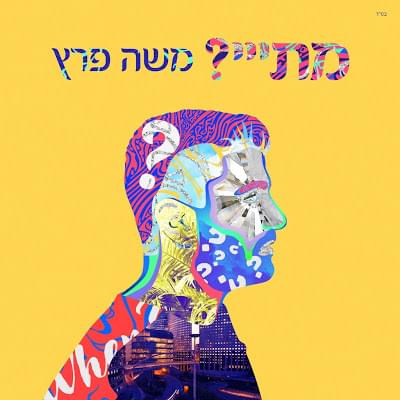
 View Artist