Song Meaning
Mose Allison’s "Young Man’s Blues" isn't just a lament; it's a razor-sharp commentary on generational shifts and economic power. The song, boiled down to its essence, expresses the frustration and perceived worthlessness of youth in a world increasingly dominated by established wealth and aging power structures. Allison doesn't romanticize the past, but he keenly observes how the perceived strength and potential once associated with young men have been undermined by societal changes. The opening lines, repeated with a weary resignation, establish the core theme: "a young man ain't nothin' in the world these days." This isn't just youthful angst; it's a pointed critique.
Allison subtly contrasts the present with a romanticized, perhaps mythical, past. He sings of a time "when a young man was a strong man," implying not just physical strength, but also social and economic influence. The image of people stepping back in deference is a powerful symbol of respect and authority. However, this idealized past serves to highlight the stark reality of the present, where "the old man got all the money." This isn't a simple complaint about unfairness; it's an acknowledgement of a fundamental shift in the balance of power. The lyrics imply the older generation not only controls the wealth, but also the opportunities and pathways for young people to achieve success and recognition.
The song's brilliance lies in its simplicity. Allison avoids complex metaphors or elaborate storytelling, choosing instead to deliver his message with a bluesy directness. This bare-bones approach amplifies the song's emotional impact, making it feel less like a specific complaint and more like a universal expression of generational disillusionment. "Young Man's Blues" resonates because it taps into a deep-seated anxiety about the future, the perceived lack of opportunity, and the feeling of being powerless in the face of entrenched power. It’s a blues for a generation adrift, searching for its place in a world that seems increasingly stacked against them. The song meaning, therefore, extends beyond a mere observation to become a poignant reflection on the changing landscape of societal value and the challenges faced by young people navigating an unequal world.
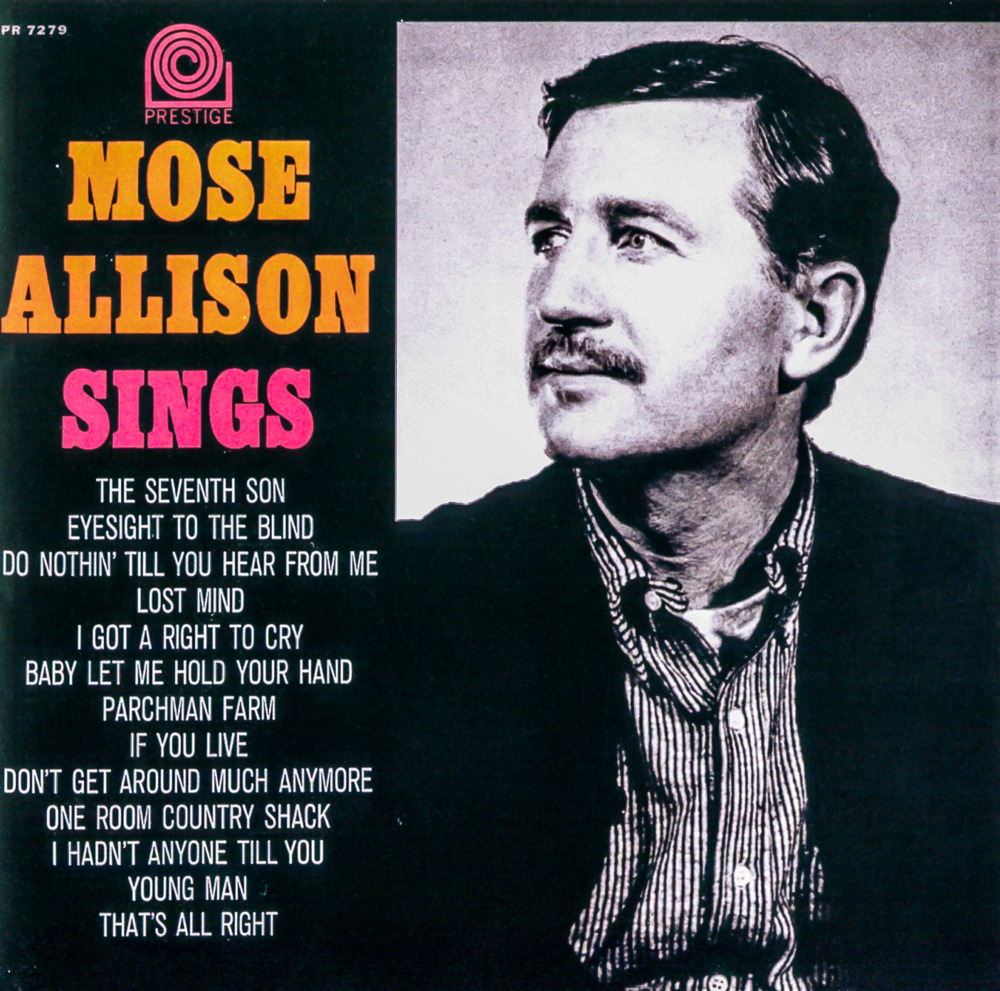
 View Artist