Song Meaning
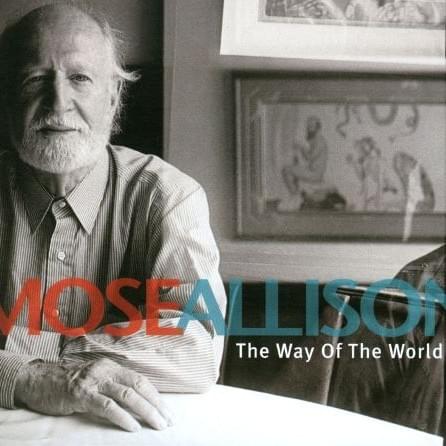
{"song_id": 12634253, "meaning": "Mose Allison's \"The Way of the World\" is a masterclass in world-weary cynicism, delivered with a laconic drawl that only amplifies its sting. The song isn't a lament so much as a blunt observation, a shrug in the face of perpetual human folly. Allison catalogs the familiar horrors – whispers of discontent turning into storms, homes consumed by metaphorical (or literal) fires, the humbling of even the strongest among us. He doesn't dwell on the specifics, because, as he notes, \"that story's old as time.\" This isn't a new phenomenon; it's simply the human condition on repeat. The power of \"The Way of the World\" lies in Allison's refusal to offer easy answers or false hope. He acknowledges the cyclical nature of conflict, the blind obedience of those who march to war, and the ever-present anxiety that lurks just beyond our front doors. These aren't isolated incidents; they are woven into the fabric of existence. The lyrics analysis reveals a core theme of acceptance, albeit a grim one.
The repeated refrain, \"It's just the way of the world,\" isn't an endorsement of these ills but a stark acknowledgement of their pervasiveness. Allison isn't surprised by the darkness; he's merely pointing it out, like a seasoned traveler guiding us through a familiar, yet treacherous, landscape. The song subtly explores the psychological toll of living in a world defined by such chaos. The line \"our greatest fear / Is just that knock upon the door\" speaks to the constant state of alert, the underlying paranoia that simmers beneath the surface of everyday life. It's a fear born not just of external threats, but of the potential for disruption and violence that resides within society itself.
Ultimately, \"The Way of the World\" isn't a call to despair but a call to awareness. Allison compels us to confront the uncomfortable truths about human nature and the systems we create. The song concludes with a philosophical question about the futility of striving within a seemingly fixed system, when he asks, \"Is there any difference / In the sun that climbs or falls / Or in tryin' to get in or out / When facin' down a wall?\" While the answer remains ambiguous, his determination to \"get over\" suggests a resilience, a refusal to be completely defeated by the weight of the world. The song meaning is less about finding solutions and more about finding the strength to navigate a reality that is, and perhaps always will be, deeply flawed."}
 View Artist