Song Meaning
Mose Allison's sardonic wit cuts deep in "Just Like Livin'," a bluesy lament that's as relevant today as it likely was whenever he penned it. The song's core isn't just about the grim realities of existence; it's about the maddening gap between our potential for good and our persistent self-destructive tendencies. Allison's narrator isn't offering solutions; he's simply observing, with a world-weary sigh, the absurdities of the human condition. The opening lines establish this perfectly: while the universe may be improving, humanity is decidedly not keeping pace. It's a darkly humorous take on progress, suggesting that technological or cosmic advancements are meaningless if we remain fundamentally flawed. This song meaning speaks to the human condition of constant, self-imposed suffering.
The repeated refrain, "Ain't that just like livin'," acts as a cynical punchline to each verse's observation. Whether it's the futility of seeking "ultimate knowledge" or the propensity to "blame it on your wife," Allison highlights our penchant for deflecting responsibility and clinging to flawed coping mechanisms. The line, "What ever happened to real life?" isn't a nostalgic yearning for a simpler time; it's a pointed question about authenticity and genuine connection in a world increasingly dominated by superficiality and self-deception. It suggests a longing for a life lived with intention and awareness, rather than one defined by knee-jerk reactions and blame-shifting.
The final verse, addressing the "future of the human race," lands with particular force. Allison doesn't mince words: if we don't cease our violent tendencies, the situation is hopeless. This stark assessment underscores the song's underlying theme: our capacity for destruction outweighs our capacity for creation. "Just Like Livin'" isn't a call to action, but a sobering reflection on the cyclical nature of human folly. It's a blues for the thinking person, acknowledging the absurdity of it all while still finding a dark humor in the everyday struggles of existence. The analysis of these lyrics reveals that the song is not a lament, but a statement about the absurd human condition. The song meaning is that life is suffering, we must be aware of it, and we must find humor in it.
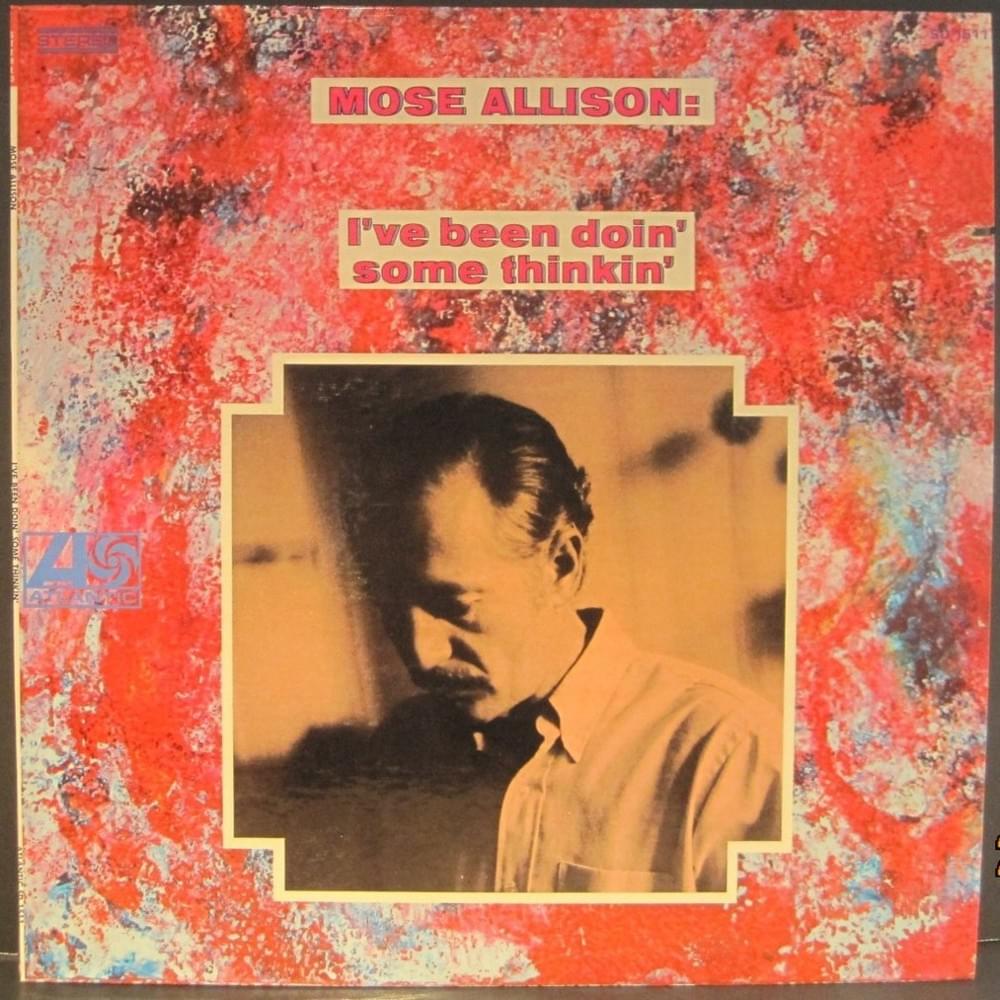
 View Artist