Song Meaning
Morrissey's "Black-Eyed Susan" isn't a character study so much as a confrontation with nihilistic cool. The song's brilliance lies in its stark simplicity, painting Susan as an almost mythical figure of apathy. She's the archetype of someone who exists outside societal pressures, someone who unnerves us precisely because of her indifference. The opening lines, "You make us nervous / Because we're very aware that you do not care," immediately establish this dynamic. It's not anger or rebellion that defines Susan, but a fundamental lack of investment. This challenges the listener, forcing them to question their own values and anxieties.
The lyrical content hints at a deeper complexity beneath Susan's detached exterior. The lines, "What don't you believe in? / 'No is always easier than Yes,'" suggest a world-weariness, perhaps born from disappointment or disillusionment. She's not simply contrarian; she's arrived at a point where negation feels like self-preservation. The brief glimpse of vulnerability – "Black-eyed Susan sometimes / Shakes to break" – offers a fleeting moment of empathy. It acknowledges that even the most hardened cynic has a breaking point, a reminder that Susan's apathy might be a defense mechanism against a painful reality.
Ultimately, "Black-Eyed Susan" becomes a mirror reflecting our own insecurities. Morrissey's use of repetition reinforces the idea that Susan's indifference is a constant, an unwavering force. The final lines, "We were the first / We were the first," are particularly ambiguous. Are they a plea for recognition, a desperate attempt to connect with someone who seems unreachable? Or are they a claim of superiority, a reminder that even in her apathy, Susan is still following a path that others have trod? The song provides no easy answers, leaving the listener to grapple with the unsettling implications of Susan's existence and the reasons why her indifference is so deeply unsettling.
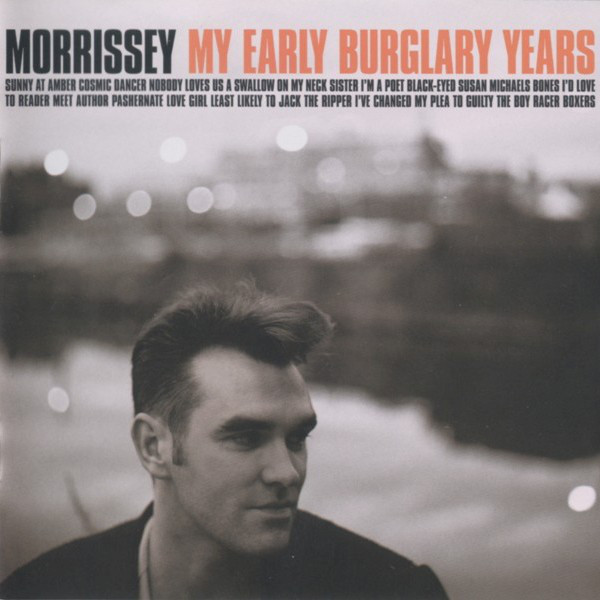
 View Artist