Song Meaning
The lyrics paint a picture of intimate physical closeness, using childlike imagery to describe adult desire. The narrator feels suspended, "hanging on a curtain," a state of precariousness mirrored by the clock metaphor, "swinging like a clock." This sense of being at someone's mercy, or perhaps just lost in the moment, is amplified by the repeated directive: "You said you like to hear me talk / You told me not to stop." It suggests a dynamic where the narrator's words, or perhaps their very presence, are a source of pleasure for the other person, creating a feedback loop of spoken intimacy.
The central tension lies in the juxtaposition of innocent, almost nursery-rhyme-like descriptions with overtly sexual undertones. The "little red feet with big blue toes" and "cute buttons like pointy little teeth" are disarmingly simple images, yet they directly precede the line, "Let me put my hand inside your clothes." This contrast creates a charged atmosphere, where vulnerability and playful danger ("Don't bite please") coexist with clear sexual intent. The lyrics don't shy away from this blend, making the desire feel both raw and strangely tender.
The most striking craft element is the persistent use of the clock metaphor and the repetition that builds a hypnotic effect. The "big hand on the seven / Little hand on top" grounds the abstract feeling of suspension in a concrete, time-bound image, suggesting a specific moment or perhaps the slow, deliberate passage of time during an intimate encounter. The relentless repetition of "You said you like to hear me talk / You told me not to stop" functions like a mantra, emphasizing the narrator's focus on pleasing their partner and the addictive nature of this dynamic.
Ultimately, these lyrics are effective because they capture a specific kind of intoxicating intimacy where childlike wonder meets adult longing. The unexpected imagery and the insistent rhythm create a feeling of being caught in a moment, both vulnerable and empowered by the other's desire. The writing doesn't explain the situation; it immerses the listener in the sensory and emotional experience of it, making the desire feel palpable and the connection intensely personal.
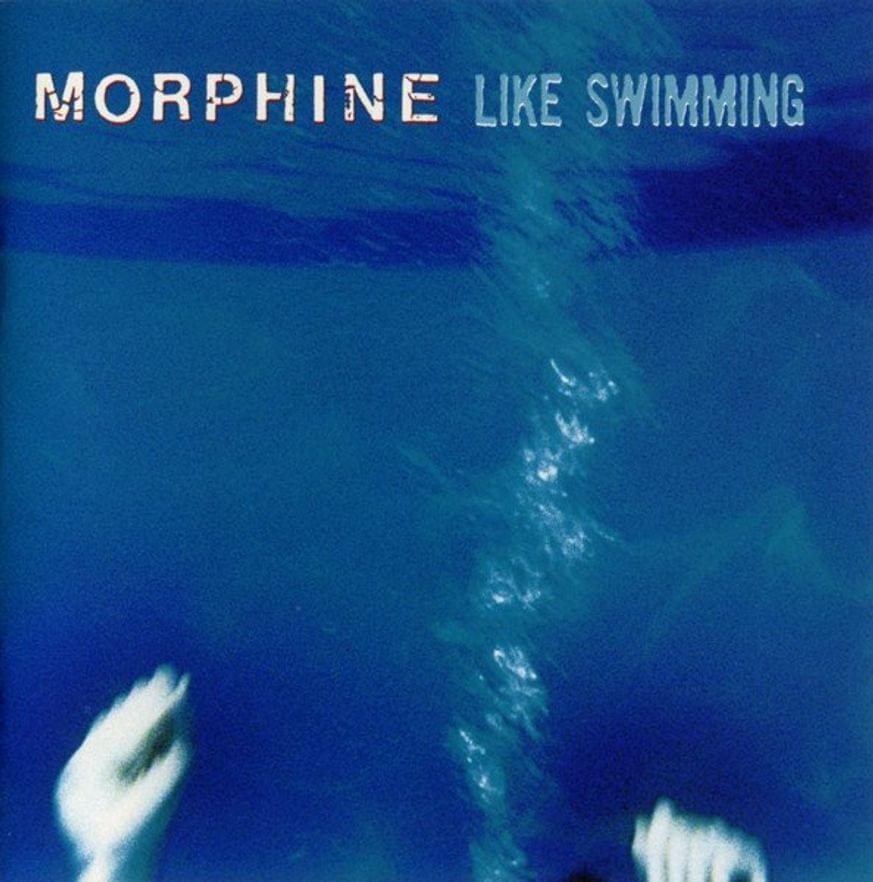
 View Artist