Song Meaning
The lyrics paint a stark, almost brutal picture of a relationship where the speaker feels scrutinized and judged by unseen "angels." These figures, possibly internalized critics or societal pressures, demand a kind of performance or suppression from the speaker, referring to them with harsh, dehumanizing terms like "butcher boy," "wretched little freak," and "little pig." The tone is one of desperate self-control, a plea for space and a transactional exchange: "Give us milk... we'll tell you when we're through." This sets up an immediate tension between the speaker's inner state and the external, demanding gaze.
The central conflict emerges from the speaker's attempt to maintain their own sense of self and emotional stability amidst this pressure. They "sold my bread" to "keep my spirits high" and "feelings dry," suggesting a sacrifice of basic sustenance or authenticity for emotional detachment. The imagery of a "mountain" for love and a "mine" for a lover's mouth, "incubating diamonds," offers a contrasting vision of potential beauty and value, yet it's framed by the ever-present threat that the "angels" will "take it all away." This creates a push-and-pull between aspiration and the fear of annihilation.
The most striking craft element is the juxtaposition of the harsh, almost abusive language directed at the speaker with the speaker's own defiant or resigned acceptance. Phrases like "fall just like a king" after feeling "like a stone without a weight" suggest a complex internal response. It’s not just about being judged; it’s about how that judgment is internalized and potentially reframed into a form of self-possession, even if that possession is tinged with a sense of impending doom. The repeated, almost desperate questions, "Can you get it?" and "I can't get it," highlight the profound disconnect and the struggle to communicate or comprehend this internal state.
Ultimately, these lyrics resonate because they capture the feeling of being under immense, often irrational, scrutiny, and the internal gymnastics required to navigate it. The raw, unflinching language, combined with the speaker's complex reactions—from self-abnegation to a defiant "fall just like a king"—makes the emotional landscape feel intensely real. It’s this unflinching portrayal of internal struggle against an oppressive external force, rendered through sharp, unsettling imagery, that gives the song its potent, disquieting power.
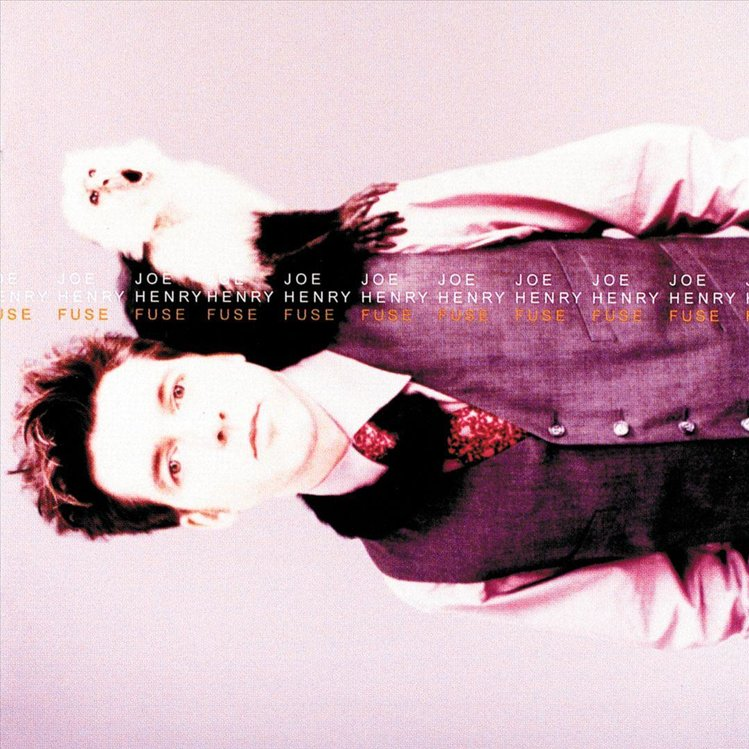
 View Artist