Song Meaning
The lyrics paint a stark picture of a woman realizing too late that her life has been built around a deception. The repeated address, "Señora," suggests a formal, perhaps even regretful, confession to another woman, implying a shared or overlapping experience with a man.
The central tension arises from the narrator's discovery of "the truth" and the existence of "usted" (you, Señora) when it's "too late to turn back." The narrator was already deeply entwined with "him," who cast a shadow over her existence, and now she understands her world was not solely her own, but shared.
The most striking element is the man's repeated assertion of his freedom, comparing himself to "the air," "doves," and "the vagabond," "the dry leaf." This imagery of boundless, untethered liberty is presented as a justification or a characteristic he projected onto himself, which the narrator "believed." However, this freedom is juxtaposed with his possessiveness, as he is now inseparable from the narrator, and she from him, making the initial claims of freedom feel hollow or even manipulative.
This narrative's power lies in its quiet, devastating reveal. The narrator's dawning comprehension, articulated through the repeated, somber "Ahora es tarde, señora," highlights the irreversible consequences of her past choices, or perhaps the choices made for her. The finality of "nobody can take him away from me" carries a heavy, almost tragic weight, suggesting a bond forged in delusion rather than genuine connection.
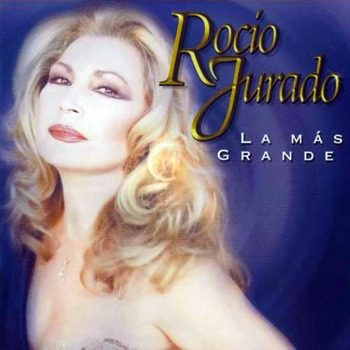
 View Artist